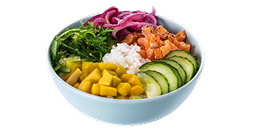




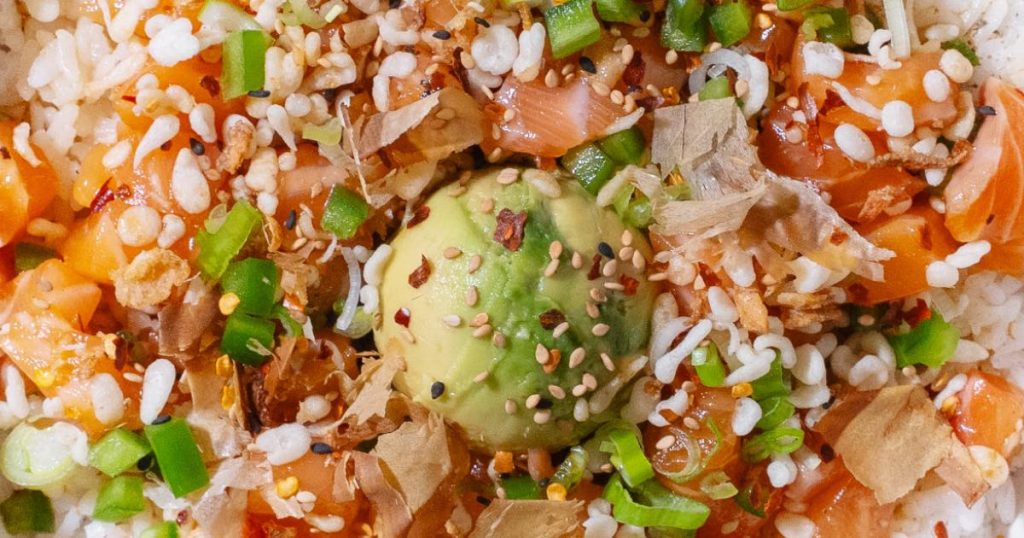
For anyone who is into poke, you have likely heard the word umami many times. It is whispered by food critics and printed on menus across the city, yet there is often a bit of confusion for the casual diner. Is it a specific bowl on the menu? Is it a rare ingredient imported from overseas? The answer is neither. Umami is a category of taste, much like bitterness or sweetness.
In the poke world, umami is an expressive piece of vocabulary used when we want to say that a bowl is truly great. When a customer says a bowl is an umami bomb, they are describing a level of flavor depth that goes beyond just being fresh. It is the word we use to describe that perfectly balanced, mouth-watering quality that makes you want to keep eating. It is the soul of the dish.
We believe that understanding what you are eating makes the experience even better, so let’s dive into the world of savory science.
What is Umami?
To understand what umami is, we have to look back to the early 1900s in Japan. A chemist named Kikunae Ikeda noticed that the broth his wife made with seaweed had a specific quality that was not quite salty or sweet, but something entirely different. He eventually identified the compound responsible for this: glutamate.
Unlike salt, which hits the tongue sharply and fades quickly, umami is a deep, long-lasting flavor that coats the tongue. It provides a sensation of mouth-fullness and signals to your brain that you are consuming something rich and nutritious. It is often described simply as savoriness, and it is the reason why certain foods feel more filling and complete than others.
What Creates the Umami Flavor?
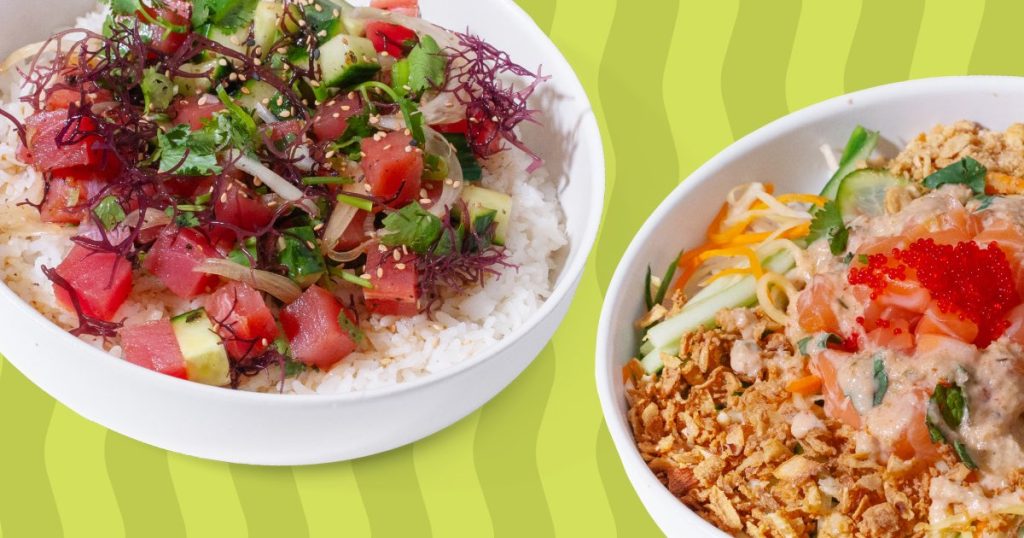
The umami flavor is created primarily by certain amino acids and nucleotides found naturally in food. The most famous of these is glutamate, but there are also others like inosinate and guanylate. While these names sound technical, their effect is simple: they act as flavor enhancers.
When your taste buds detect these compounds, they send a signal to the brain that says this is a high-quality protein source. This is why we naturally crave these flavors. One of the most interesting facts about this taste is that it actually triggers salivation, which helps you experience all the other flavors in your bowl more intensely. It is the secret foundation of any well-balanced dish.
Which Poke Ingredients are High in Umami?
When building a bowl, we carefully select umami poke ingredients to ensure every bite is packed with depth. Here are the heavy hitters that contribute to that savory profile:
- The Fish: Fresh tuna and salmon are natural powerhouses of inosinate. As the fish is prepared, these savory compounds become more accessible to your taste buds, providing that meaty, satisfying core.
- The Seasonings: Soy sauce, or shoyu, is the most important umami driver. Because it is a fermented product, the proteins in the soy have already been broken down into free glutamates, making it a liquid savory bomb.
- The Seaweed: Nori and wakame are essential. Since seaweed was the original source where umami was discovered, adding furikake or a seaweed salad to your bowl provides a concentrated dose of that oceanic savoriness.
- The Garnishes: Ingredients like edamame, toasted sesame seeds, and even certain mushrooms are excellent plant-based sources of glutamate that round out the bowl.
How to Create Umami Flavor in Poke
Suppose you are wondering how to create umami flavor in a Hawaiian-style poke; the secret lies in synergy. Science tells us that when you combine ingredients rich in glutamate (like soy sauce or seaweed) with ingredients rich in inosinate (like tuna or salmon), the flavor does not just double, it multiplies.
This is why a poke bowl tastes so much more complex than just a piece of raw fish on rice. By layering a soy-based marinade over fresh fish and topping it with furikake, we are creating a chemical reaction on your palate that makes the savory notes pop. The goal is to create a balance where the savory elements are supported by the freshness of cucumber or the sweetness of fruit, ensuring the meal never feels too heavy.
Why Do We Crave Umami in a Poke Bowl?
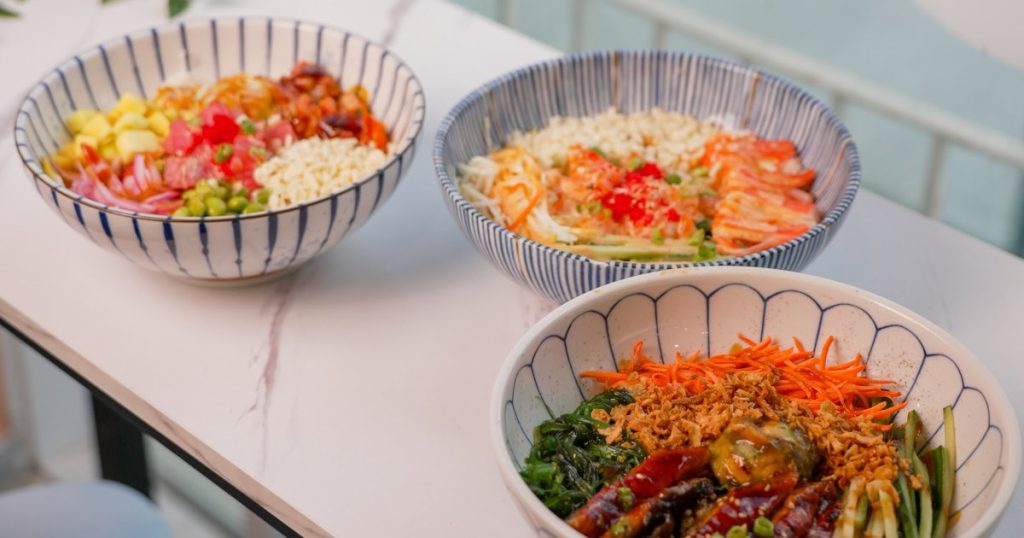
The reason umami flavors in poke are so addictive is that they provide a sense of palate satisfaction that other tastes cannot match. Because umami lingers on the tongue longer than salt or sugar, it creates a persistent aftertaste that makes you feel full and content.
This is one of the reasons why many people consider us the best poke restaurant in Montreal. We do not rely on excessive salt or heavy fats to make our food taste good. Instead, we use the natural science of savory ingredients to create a meal that feels indulgent while remaining healthy. It is about feeding both your hunger and your taste buds in a way that feels complete.
Conclusion
Next time you visit us, take a moment to notice that deep, savory hum that ties all your favorite toppings together.
Whether it is the richness of the fish or the saltiness of the shoyu, you are experiencing a century of culinary science in every bite. By focusing on these natural flavor builders, we are able to serve a meal that is consistently satisfying.
Visit one of the Olu Olu Poke locations across Montreal and see for yourself why the right balance of ingredients makes all the difference.
FAQs
1. Is “Umami” a specific bowl or sauce I can order?
No, umami isn’t a single item on the menu. It is a flavor profile that you experience when eating ingredients like tuna, soy sauce, and seaweed. When people call a bowl an “umami bomb,” they mean it’s exceptionally savory and satisfying.
2. Is Umami just another word for salty?
Not exactly. While many umami-rich foods are also salty (like soy sauce), umami is deeper and more meaty or brothy. While salt hits the tip of your tongue, umami coats your whole mouth and leaves a long-lasting, satisfying aftertaste.
3. Does Umami mean the food has added MSG?
Umami is the flavor of glutamate, which occurs naturally in many healthy ingredients. We achieve that deep umami taste using natural sources like fresh fish, fermented soy, and seaweeds rather than relying on heavy additives.
4. Which poke toppings have the most Umami?
If you want to maximize the savory factor, go for tuna or salmon, a soy-based dressing (Shoyu), and plenty of “sea” garnishes like nori (dried seaweed) or furikake. Edamame and mushrooms are also great plant-based umami boosters!
5. Why is Umami such a big deal in the Poke world?
Because poke is a raw, fresh dish, it needs a foundation to make it feel like a full meal. Umami provides that “hearty” feeling without needing to cook the food or add heavy fats. It’s what makes a light poke bowl feel as satisfying as a steak.