Poke is getting more attention from franchise buyers in 2026, and it’s easy to see why. Fast food isn’t the cheap option it used to be; Canadians want healthier quick meals, and a poke franchise can often open in a smaller space than a big burger chain.
But this is still a tough year for restaurants. So if you’re comparing a poke vs. fast food franchise, the brand and the numbers matter more than the trend. Here’s an honest look at both, backed by real Canadian data.
What the Restaurant Market Looks Like in 2026
Let’s start with the reality. Restaurants Canada expects real foodservice sales to dip slightly in 2026, and quick-service sales in Quebec fell early in the year once you account for inflation. On top of that, 80% of Canadians say they’re eating out less because of the cost of living.
So no restaurant is an easy win right now. When money is tight, picking the right concept matters even more.
Fast Food Is Losing Its Value Edge
For years, fast food did well when budgets got tight. People traded down to it. That’s changing.
Food economist Sylvain Charlebois wrote in March 2026 that Canadians are spending more at fast food chains but actually buying less. Many people aren’t trading down anymore. They’re skipping fast food and heading to the grocery store instead. Being cheap and fast just isn’t enough to bring people in now.
What Canadians Want From a Quick Meal Now
People still want quick meals. They just want better ones.
A 2025 Leger survey for Square found that 61% of Canadians would be more likely to visit a quick-service spot with healthier options. Toast’s 2025 survey found high-protein options are the top thing diners want to see more of in 2026. Poke checks both boxes, which is why it keeps coming up as the healthier fast food option.
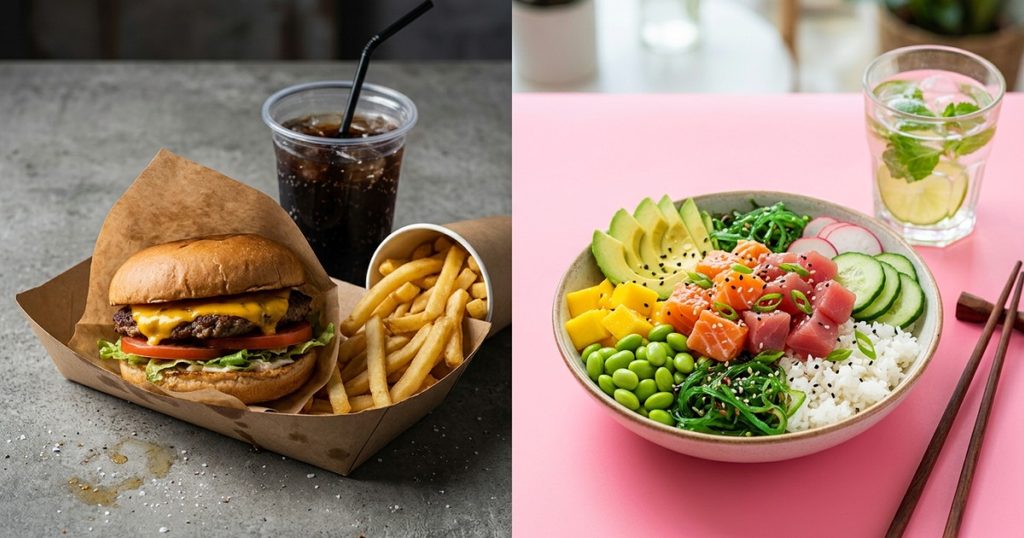
Poke vs Traditional Fast Food: A Side-by-Side Look
The menu: Poke is built around fresh fish, tofu, vegetables, and rice. Traditional fast food leans on fried and grilled items.
Fit with what people want: Poke lines up well with today’s demand for healthy, high-protein meals. Fast food is struggling to hold onto its value appeal.
Startup cost: Poke concepts usually come in smaller formats. Big burger chains, on the other hand, can cost more than $1 million to open.
Space. A poke spot can often fit into a smaller space, while traditional fast food usually needs more room.
Main challenges: Poke owners need to manage seafood costs and strict food safety training. Fast food owners deal with price wars and heavy kitchen equipment.
Every brand is different, so think of this as a general guide.
Where a Poke Bowl Business Has an Edge
It matches what people want: Fresh, high-protein meals line up with today’s restaurant franchise trends.
It can fit more locations: Smaller spaces mean more lease options, from downtown streets to neighbourhood corners.
It earns in more than one way: Lunch rushes, delivery, and catering all add up.
There’s room to grow: The poke market is still expanding, with Technavio projecting steady growth through 2030, and no single brand owns the category.
What to Think About Before You Choose
A fast casual franchise isn’t risk-free. Restaurants in Canada run on thin margins, around 4.1% on average. Seafood prices can change. Raw fish needs strict food safety training. And competition is growing, so flavour and brand really matter.
Questions to Ask Any Poke Franchisor
Before you sign anything, ask:
- What’s the total investment, including fees and royalties?
- What training and ongoing support do you offer?
- What kitchen equipment and space will I need?
- Can I talk to current owners?
- Will I get a disclosure document before signing?
For more on this, read what makes a good franchise to own.
Why Owners Are Looking at Olu Olu
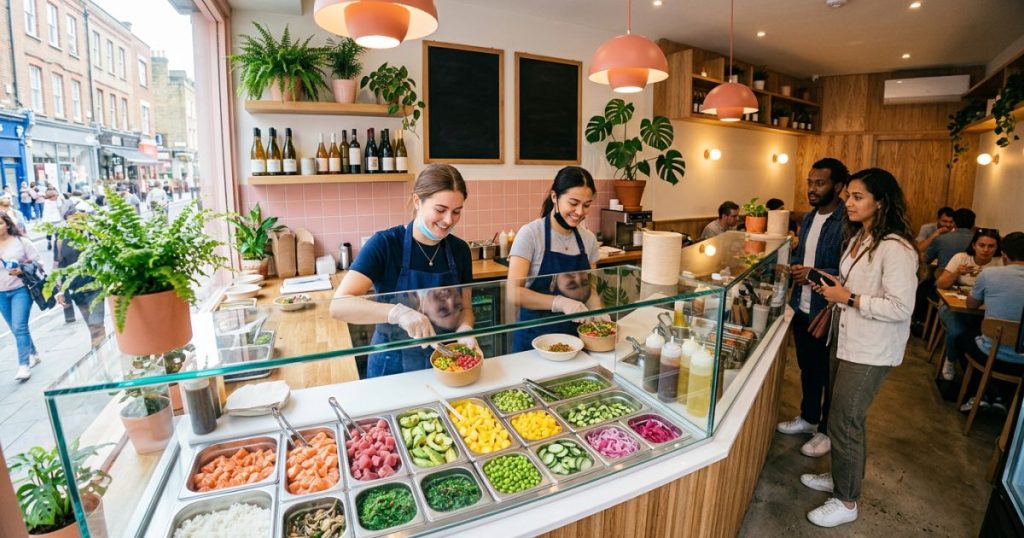
If you’re looking at a poke restaurant franchise in Montreal or anywhere in Canada, Olu Olu has a lot going for it. We have three Montreal locations in NDG, The Village, and downtown. Our bowls are made with sushi-grade fish and house-made sauces, and customers often mention our fresh ingredients and original flavours in their reviews. Online ordering, delivery, catering, and a loyalty card are already in place.
You can learn more about our story and why poke franchising is growing in Canada.
The Bottom Line
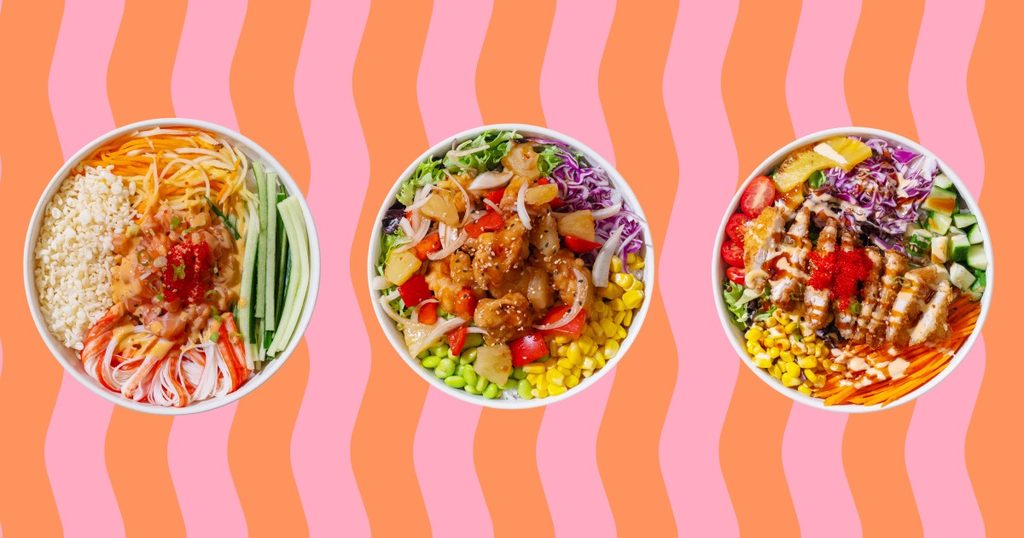
Poke fits where Canadian diners are heading. But the right brand and honest numbers matter more than any trend. If you’d like to talk about bringing Olu Olu to your city, visit our franchise page and start the conversation.
Frequently Asked Questions
Q1. Is a poke franchise a good investment in Canada?
It can be. Poke matches the demand for healthy, high-protein meals. But every franchise has risks, so review the full costs and talk to current owners first.
Q2. Is fast food still a good franchise in 2026?
Fast food is still a big industry, but it’s losing its value edge as prices rise and people buy less.
Q3. How much does a food franchise cost in Canada?
It depends on the brand, size, and location. Big burger chains can top $1 million, while smaller concepts usually cost less. Ask the franchisor for a full breakdown.
Q4. Is poke healthier than traditional fast food?
Usually, yes. Poke is built around fresh fish, vegetables, and rice instead of fried foods.
Q5. Can I open an Olu Olu franchise outside Montreal?
Yes. Our franchise program is open across Canada. Visit our franchise page to learn more.