


If you have ever stared at a vibrant poke bowl and wondered what that dark, glossy glaze was drizzled over the top, you have likely encountered one of the most essential Japanese sauces in the culinary world.
While poke originated in Hawaii with simple dressings of sea salt and kukui nuts, the evolution of the dish has embraced the deep, complex profiles of traditional Japanese condiments. Among these, unagi sauce stands alone as a transformative ingredient. It is not just a topping; it is a structural component of the flavor profile that bridges the gap between fresh, raw fish and the savory requirements of a satisfying meal.
What is Unagi Sauce?
To understand its role in modern cuisine, we must first answer the fundamental question: What is unagi sauce? Historically, this sauce was developed in Japan specifically for grilled eel, known as unagi. Despite its common nickname of eel sauce, it contains no actual seafood or eel extracts. Instead, it is a masterclass in minimalist Japanese sauces, traditionally composed of just three primary ingredients: soy sauce, mirin, and sugar.
The preparation involves simmering these components together until the sugar caramelizes and the liquid reduces into a thick, syrupy glaze. This reduction process is critical because it concentrates the saltiness of the soy and the sweetness of the mirin into a potent elixir. In a professional kitchen, this sauce is often made by slow-cooking the ingredients over low heat to ensure the sugars do not burn, resulting in a smooth, glass-like finish that clings perfectly to rice and proteins.
Unagi Sauce Flavor Profile
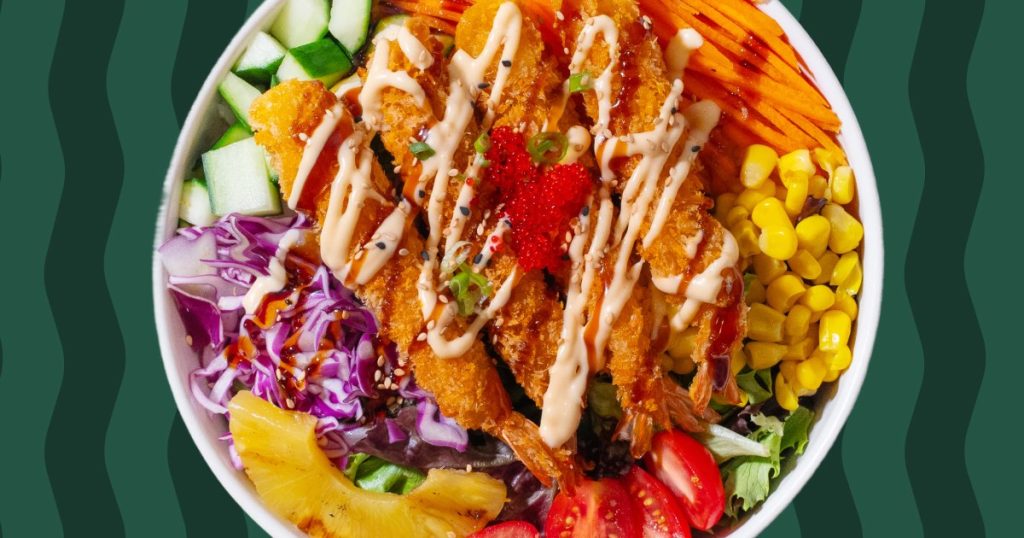
The unagi sauce flavor is defined by a sophisticated duality. On the initial palate, you are met with a bold, sugary sweetness that is immediately tempered by the fermented saltiness of the soy sauce. Because it is a reduced sauce, it possesses a deep, toasted undertone that mimics the flavor of charred or grilled food, even when served over cold ingredients.
The texture is just as important as the taste. Unlike thin dressings that soak into the rice and disappear, unagi sauce has a high viscosity. It sits on top of the fish and vegetables, providing a concentrated burst of flavor in every bite. This mouthfeel is silky and rich, coating the tongue and allowing the sweetness to linger just long enough to balance the sharp acidity often found in pickled ginger or citrus-based marinades like ponzu.
How Unagi Sauce Creates the Best Umami Bomb
The relationship between unagi sauce and umami taste is a matter of food science. Umami is the fifth taste, often described as savoriness, and it is triggered by glutamates found in fermented products like soy sauce. When you combine the high glutamate content of soy with the complex sugars in mirin, you create a synergy that heightens the natural flavors of the protein it touches.
In the context of a poke bowl, this creates an umami bomb. Raw tuna or salmon has a clean, mild flavor that can sometimes feel one-dimensional. Adding unagi sauce introduces a heavy, savory anchor that rounds out the experience. It triggers the savory receptors in the brain, making the meal feel more substantial and indulgent without the need for heavy fats or oils. It essentially acts as a flavor magnifier for every other ingredient in the bowl.
Best Toppings that Match Unagi Sauce in a Poke Bowl
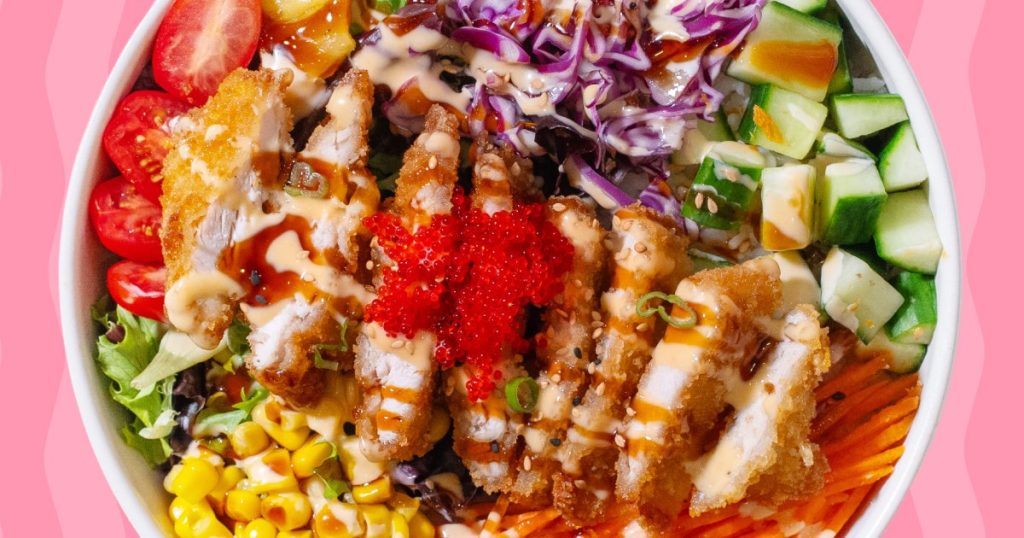
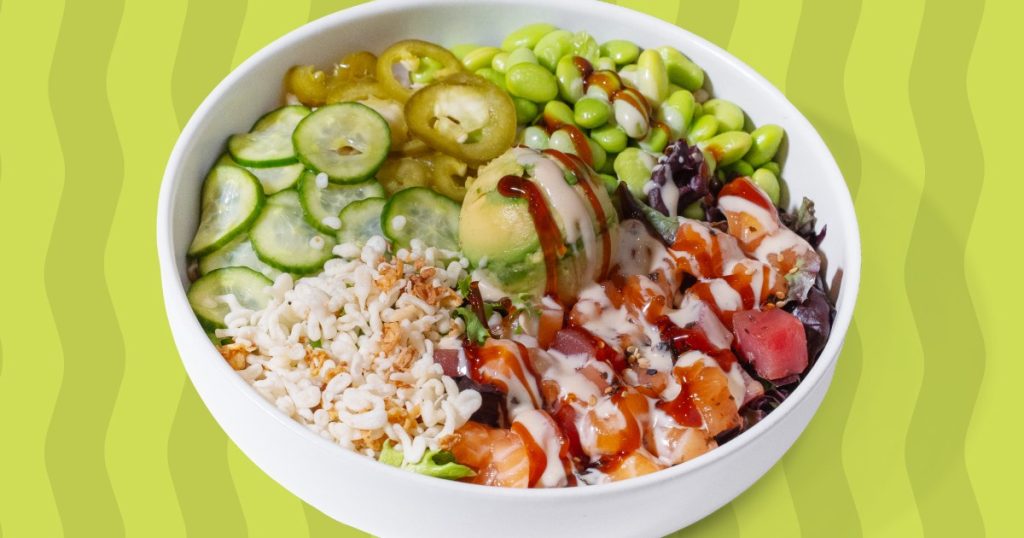
Because the sauce is so dominant, selecting the right toppings is essential for balance. The sweetness of unagi sauce in poke bowls pairs exceptionally well with creamy fats. Avocado is the most obvious companion, as the buttery texture of the fruit cuts through the saltiness of the glaze. Similarly, a drizzle of spicy mayo creates a classic duo; the heat from the mayo and the sweetness from the unagi sauce provide a complete flavor spectrum.
Texture also plays a vital role. Crunchy elements like tempura flakes, fried shallots, or toasted nori strips thrive when combined with the sticky glaze. The sauce acts as a binder, helping these small, crunchy bits adhere to the fish. For freshness, cucumber and edamame provide a necessary aqueous snap that cleanses the palate between the heavy, umami-rich bites.
How Unagi Sauce Helps Create the Best Hawaiian-Style Poke
While some purists argue for the traditional shoyu and sesame oil approach, the inclusion of unagi sauce is what has propelled poke into a global phenomenon. Reaching the best Hawaiian-style poke experience in a modern setting often requires a layer of complexity that raw fish alone cannot provide.
By using unagi sauce, you are achieving a marinated taste even if the fish was only recently sliced. It provides a bridge between the old-world techniques of Japanese sauces and the vibrant, fresh-fruit influences of the islands. It elevates a standard bowl of fish and rice into a premium culinary experience by adding a sense of heat and caramelization that would otherwise be missing from a cold dish.
Conclusion
The presence of unagi sauce in poke bowls is a testament to the versatility of Japanese condiments. It provides the necessary weight, sweetness, and savory depth to turn a light snack into a powerful, umami-driven meal.
If you are ready to experience this incredible flavor profile for yourself, there is no better place to start than the heart of the city. You are invited to try the best poke in Montreal today at Olu Olu. Do not settle for average when you can explore the menu and pick up your favourite, unagi sauce-based bowl to experience the authentic umami rush in person.
FAQs
1. Does unagi sauce actually contain eel?
No. Despite being commonly referred to as “eel sauce,” traditional unagi sauce is vegan-friendly and made from a reduction of soy sauce, mirin, and sugar. It earned its name because it was historically used as a glaze for grilled eel (unagi) in Japanese cuisine.
2. What does unagi sauce taste like?
Unagi sauce has a bold, savory-sweet profile. It combines the salty, fermented depth of soy sauce with the caramelized sweetness of mirin and sugar, resulting in a thick, syrupy glaze that delivers a concentrated “umami bomb” to any dish.
3. Is unagi sauce the same as teriyaki sauce?
While they share similar ingredients (soy, sugar, and ginger/mirin), unagi sauce is much thicker and has a higher sugar content. This allows it to sit on top of food as a glossy glaze rather than soaking in like a thinner teriyaki marinade.
4. Why is unagi sauce so popular in poke bowls?
It provides a necessary flavor “anchor.” Because raw fish and vegetables are naturally light and fresh, the deep, smoky sweetness of unagi sauce adds richness and complexity, making the bowl feel more satisfying and indulgent.
5. Is unagi sauce gluten-free?
Standard unagi sauce contains soy sauce, which is typically made with wheat. If you have a gluten sensitivity, you should look for versions made with tamari or ask your server if a gluten-free alternative is available.