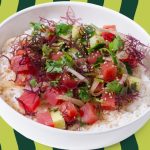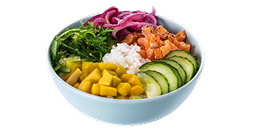



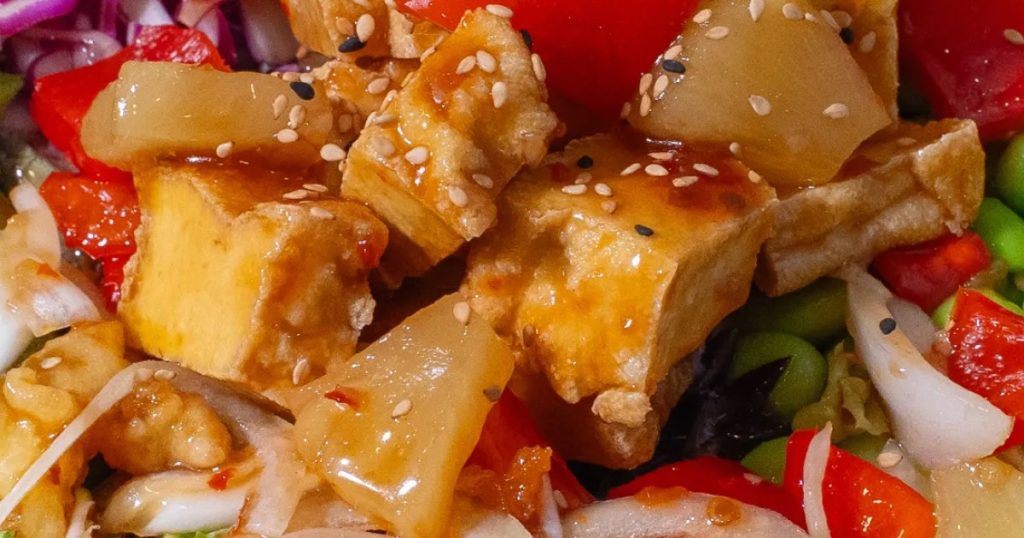
Let’s be real: a poke bowl without that glossy, savory sauce is basically just a bowl of plain raw fish. It might look okay, but the flavor just isn’t there. In the world of poke, shoyu (Japanese soy sauce) is way more than just a salty condiment you find on the table. It’s the secret ingredient that pulls everything together, turning fresh fish into the gourmet meal we all crave.
We’re breaking down why this fermented classic is the one thing you can’t skip in a modern poke bowl. Whether you’re grabbing a quick lunch between classes or hitting up a spot in the plateau, here is why shoyu is the soul of the bowl.
History and Origin: How Shoyu Reached Hawaii
To understand the modern bowl, one must look at the history of Hawaiian-style poke. Before the late nineteenth century, native Hawaiians seasoned their fresh catch with sea salt, crushed inamona (roasted kukui nut), and limu (seaweed). This was a clean, mineral-heavy profile that relied entirely on the ocean for flavor.
The turning point occurred during the plantation era, as Japanese immigrants arrived in the islands to work the sugar cane fields. They brought with them a deep-rooted culinary tradition of fermentation, specifically soy sauce.
Over time, the traditional salt-cured method merged with Japanese flavors, giving birth to the classic shoyu poke. This fusion represents one of the most successful cultural culinary exchanges in history, replacing the simple salt-rubbed fish with a complex, liquid marinade that defines the global gold standard today.
What is Shoyu?
To truly appreciate the flavor, one must ask: What is shoyu? While many people use the terms soy sauce and shoyu interchangeably, there is a distinct difference in the craftsmanship. Shoyu is a Japanese-style soy sauce characterized by a roughly equal blend of soybeans and wheat.
This specific ratio is what gives it a nuanced sweetness and a floral, aromatic profile that sets it apart from the saltier, more aggressive Chinese-style soy sauces. The presence of wheat allows for a longer, more complex fermentation process, resulting in a liquid that is mahogany in color and smooth on the palate. In a poke context, this ensures the sauce complements the delicate fats of the fish rather than overpowering them.
The Link Between Shoyu and Umami Bomb
The primary reason chefs obsess over Shoyu and its effect on the umami bomb is rooted in molecular chemistry. During the fermentation of the soybeans and wheat, proteins are broken down into amino acids, specifically glutamic acid. This provides that savory, meaty sensation known as umami.
When you apply shoyu sauce in poke, a magnificent synergy occurs. The glutamates in the sauce bond with the natural nucleotides in fresh ahi tuna or salmon. This chemical marriage creates a flavor profile that is significantly more intense than the sum of its parts. Furthermore, the salt content in the shoyu acts as a gentle cure, drawing out excess moisture from the fish and firming up the texture, which gives each cube a satisfying, buttery bite.
The Versatility of Shoyu: Beyond the Dressing
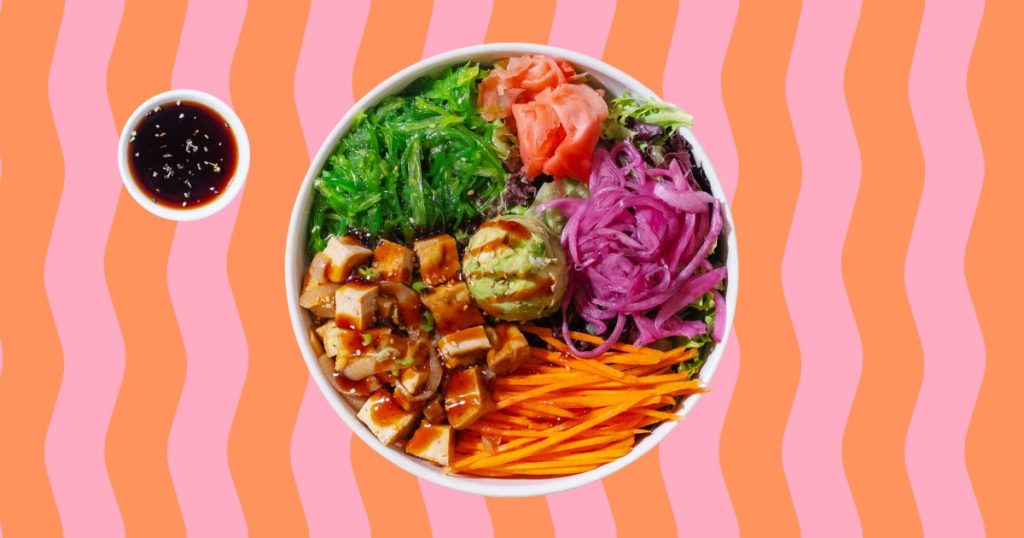
Modern poke enthusiasts are finding new ways to integrate this ingredient. It is no longer just a marinade; it is a structural component of the meal.
Shoyu Noodles
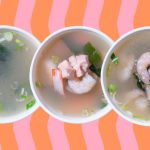
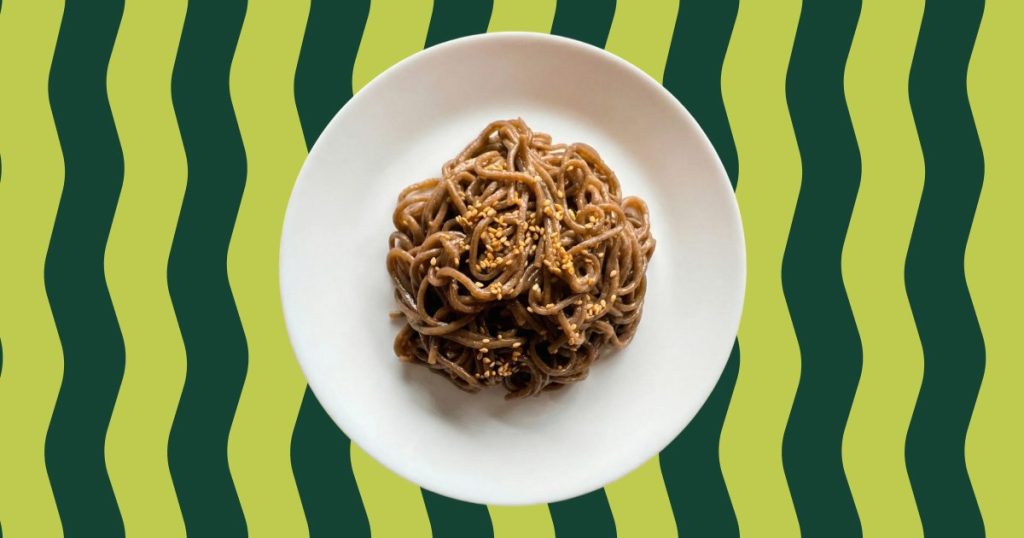
A rising trend in the culinary world involves shoyu noodles. Instead of a traditional rice base, cold ramen or vermicelli noodles are tossed in a ginger-shoyu vinaigrette. These noodles act as a sponge, soaking up the juices from the fish and providing a silky, chewy contrast to the crisp toppings.
The Shoyu Base Sauce
Beyond the fish, the shoyu sauce in poke often serves as the foundational liquid for the entire bowl. Chefs will season the rice directly with a light spray of seasoned shoyu or create a base layer of umami-rich sauce at the bottom of the bowl. This ensures that even the final forkful of rice is seasoned with that signature savory-sweet profile.
Finding the Best Poke in Montreal
If you’re looking for the real deal in the city, you’ve got to check out Olu Olu Poke. They are easily one of the best poke restaurants in Montreal because they actually get the balance right.
They don’t just drench everything in spicy mayo to hide the taste; they use high-quality shoyu to let the fish shine. Whether you like the classic sesame-shoyu vibe or something with a bit more zing, Olu Olu knows how to prep it so the fish stays fresh and looks great.
Conclusion
At the end of the day, poke is only as good as its ingredients, and the shoyu is the glue holding it all together. It’s the difference between a sad, dry lunch and a meal that actually hits the spot. If you haven’t been paying attention to the sauce in your bowl, you’ve been missing out on half the experience.
Ready to taste the difference for yourself? Skip the generic chains and head over to Olu Olu Poke in Montreal. Grab a bowl, pick a shoyu-based marinade, and see why we’re obsessed. Your taste buds will thank you.
FAQs
1. Is Shoyu poke gluten-free?
Traditional shoyu is made with wheat, so it usually contains gluten. However, at Olu Olu, you can always ask about our gluten-free alternatives to keep your bowl safe and delicious!
2. What does Shoyu taste like compared to regular soy sauce?
Shoyu is slightly sweeter and more nuanced than standard table soy sauce. It offers a deeper umami flavor that enhances the natural sweetness of fresh fish rather than just making it salty.
3. Is Shoyu poke spicy?
On its own, Shoyu is savory, not spicy. If you want a kick, we recommend adding spicy mayo or fresh chilis to your shoyu-marinated bowl for the perfect balance of heat and salt.
4. Can I get Shoyu with cooked protein?
Absolutely! While it’s a classic for raw tuna and salmon, Shoyu tastes incredible with cooked shrimp, tofu, or even chicken. It’s the ultimate versatile marinade.
5. Why should I choose Olu Olu for my poke fix?
We prioritize authentic Hawaiian-Japanese fusion. That means better ingredients, perfectly balanced Shoyu marinades, and the freshest fish in Montreal. One bite and you’ll taste the difference.