



The rise of poke from a traditional Hawaiian staple to a global health phenomenon has changed the way we think about fast-casual dining. It is fresh, customizable, and seemingly the perfect fitness fuel. However, as poke shops become as common as salad bars, a vital question has emerged for the health-conscious consumer: Can I eat poke every day?
While raw fish is a nutritional powerhouse, the answer is not a simple yes or no. It depends entirely on your ability to identify the safest fish to eat daily and understand the biological markers of nutrient-dense fish.
To help you navigate the menu with confidence, we have analyzed the mercury data, the selenium protective factors, and the omega-3 profiles of the most popular poke proteins.
The Mercury Myth: Finding the Best Fish for a Daily Diet
The primary concern regarding frequent seafood consumption is mercury, specifically methylmercury, which bioaccumulates in the muscle tissue of fish. Because mercury travels up the food chain, larger apex predators usually carry the highest burden. If your goal is healthy fish consumption, you must learn to distinguish between the various species of tuna and salmon.
The Tuna: Yellowfin vs. Bigeye
Many consumers believe all tuna is created equal, but from a safety perspective, the species matters immensely. Bigeye Tuna (Ahi) is a deep-water predator that can live for many years, allowing it to accumulate significant mercury levels. It is generally recommended to limit Bigeye to once a week.
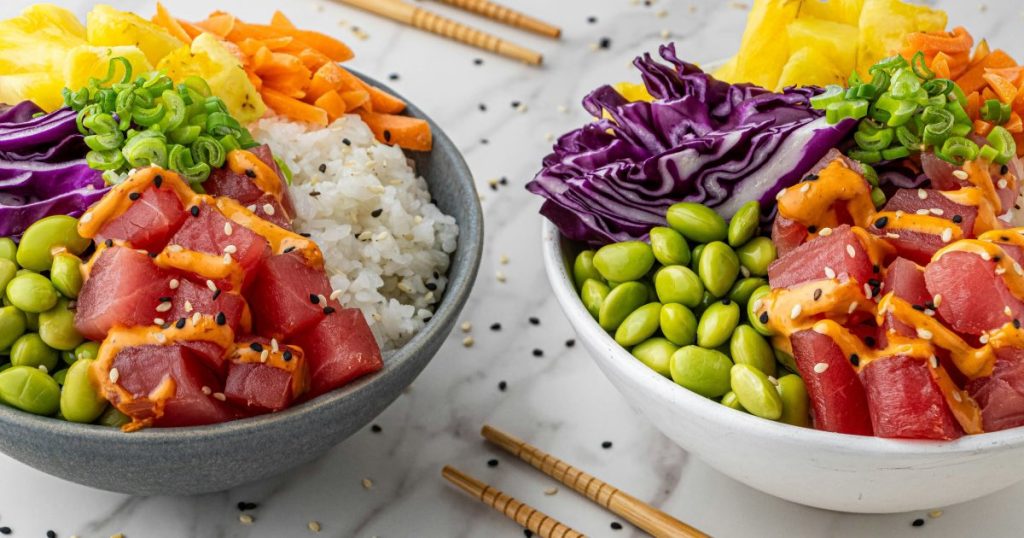
In contrast, Yellowfin Tuna is often the superior choice for those asking if they can eat poke every day. Yellowfin typically has lower mercury levels than Bigeye or Bluefin. More importantly, Yellowfin is rich in selenium. Modern nutritional science suggests that the Selenium-to-Mercury ratio is more important than the mercury level alone. Selenium acts as a biochemical shield, binding to mercury and preventing it from causing oxidative damage in the human body.
The Salmon Standard: The Champion of Daily Safety
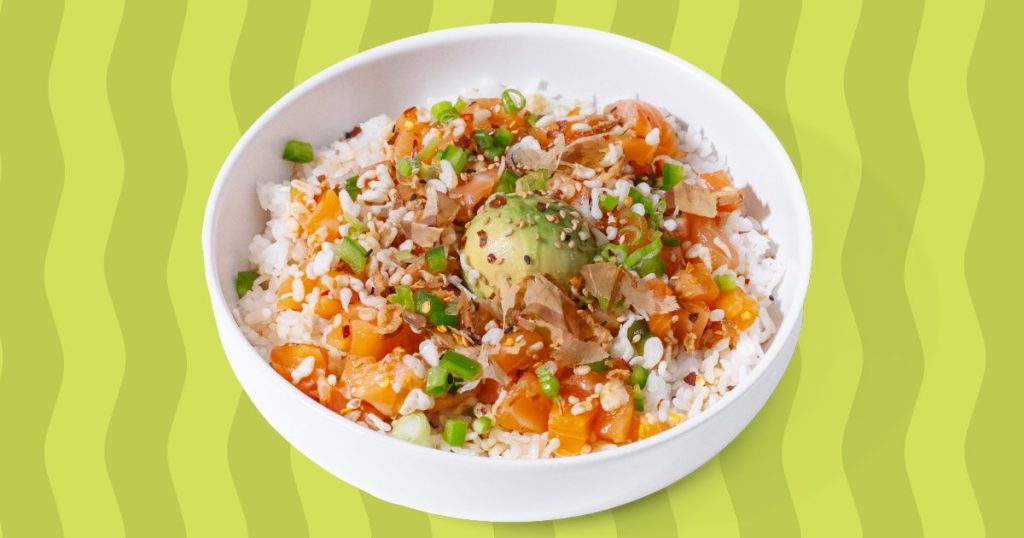
If you are looking for the absolute safest fish to eat daily, Salmon is the undisputed king. Whether it is sustainably farmed or wild-caught, salmon is a low-mercury species that offers an incredible density of life-extending nutrients. Because salmon have shorter lifespans and feed lower on the food chain, the risk of heavy metal toxicity is remarkably low, making it a staple for the best fish for a daily diet.
Defining Nutrient-Dense Fish: Beyond Just Protein
When we talk about healthy fish consumption, we are looking for more than just a lean protein source. We are looking for biological compounds that the human body cannot produce on its own.
1. Omega-3 Fatty Acids (EPA and DHA): Salmon and Mackerel are among the most nutrient-dense fish because of their high fat content. These essential fats are responsible for reducing systemic inflammation, supporting cognitive function, and maintaining heart health.
2. Astaxanthin: This is the antioxidant that gives salmon its pink hue. It is known as an internal sunscreen because of its ability to protect skin cells from UV damage and improve skin elasticity.
3. Vitamin D and B12: Many people in modern society are deficient in Vitamin D. A single poke bowl with high-quality salmon can provide nearly the entire daily recommended intake of Vitamin D, which is essential for bone health and immune function.
The Strategy for Healthy Fish Consumption: The Rotation Method
To answer the question, can I eat poke every day with a confident yes, you should adopt a strategy of protein rotation. Total reliance on a single species can lead to a narrow nutritional profile and a higher risk of specific contaminant buildup.
A Sample Weekly Rotation for Optimal Health:
- Monday: Salmon (High Omega-3s, Low Mercury)
- Tuesday: Shrimp (High Zinc, Near-Zero Mercury)
- Wednesday: Ahi Tuna (Lean Protein, High Selenium)
- Thursday: Salmon (Vitamin D and Brain Health)
- Friday: Octopus (Unique minerals like Copper and Iron)
By cycling your proteins, you ensure that you are getting a wide spectrum of micronutrients while keeping your average mercury exposure well below the thresholds set by health organizations.
Quality Assurance: The Role of Flash-Freezing
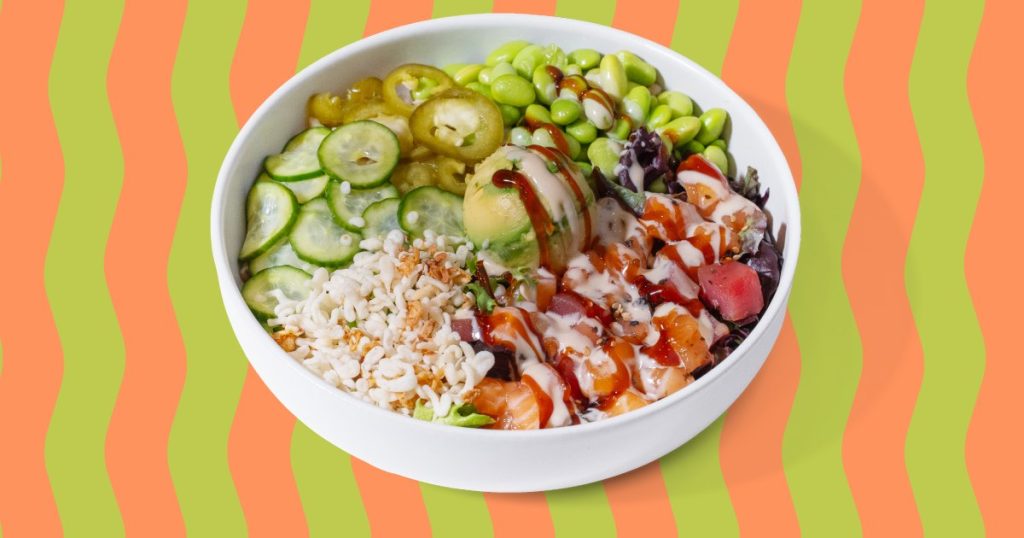
Safety in poke is not just about heavy metals; it is also about microbiology. Many people worry about parasites in raw fish, but the industry standard of flash-freezing has virtually eliminated this risk.
To ensure you are engaging in the safest, healthiest fish consumption, verify that your provider uses fish that has been frozen to -35°C (-31°F) for at least 15 hours. This process, often referred to as sushi-grade, kills any potential parasites while preserving the cellular integrity and flavor of the fish.
Conclusion
So, can you eat poke every day? Yes, provided you are an informed consumer. By prioritizing salmon, shrimp, and yellowfin tuna, and by understanding the importance of the selenium shield, you can enjoy the benefits of the best fish for your daily diet without fear.
If you are looking to put this knowledge into practice, there is no better destination than Olu Olu Poke. Recognized as one of the best poke restaurants in Montreal, Olu Olu Poke takes the guesswork out of healthy fish consumption.
We pride ourselves on sourcing only the highest grade, nutrient-dense fish to ensure every bowl you enjoy is as safe as it is delicious. Visit us at Olu Olu Poke today and taste the difference that premium quality and authentic Hawaiian inspiration make. Your daily poke habit just found its new home in Montreal.
FAQs
1. Is it safe to eat raw tuna every single day?
While you can eat tuna frequently, it is best to choose Yellowfin over Bigeye or Bluefin for daily consumption due to its lower mercury levels and higher selenium content. For a perfectly balanced diet, we recommend rotating tuna with low-mercury options like salmon, shrimp, or tofu.
2. Why is salmon considered the safest fish for daily poke bowls?
Salmon is naturally low in mercury because it sits lower on the food chain and has a shorter lifespan than large predators. It is also incredibly nutrient-dense, packed with Omega-3s and Vitamin D, making it the gold standard for daily consumption.
3. Does flash-freezing affect the nutritional value of the fish?
No. Professional flash-freezing actually preserves the nutrients and flavor at their peak. It is a critical safety step in sushi-grade fish that eliminates parasites without compromising the health benefits of the protein.
4. Can I still eat poke daily if I am pregnant?
Health experts generally advise pregnant individuals to avoid raw fish and limit high-mercury cooked fish. However, you can still enjoy poke by choosing fully cooked options like steamed shrimp, cooked octopus, or marinated tofu, combined with fiber-rich veggies.
5. How does Olu Olu Poke ensure the quality of its fish?
At Olu Olu Poke in Montreal, we follow strict sourcing and handling protocols. We prioritize high-quality, sustainably sourced proteins that meet rigorous sushi-grade standards, ensuring that our customers receive the most nutrient-dense and safe experience possible in every bowl.