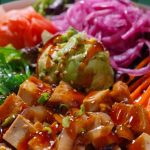



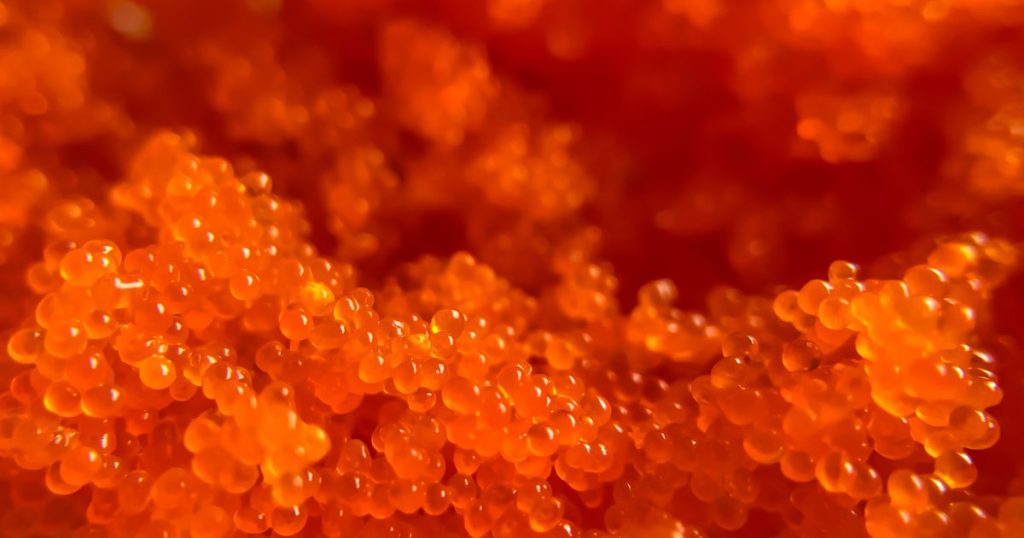
You are staring at your poke bowl. The fish looks fresh, the sauce smells incredible, and then you notice them. Tiny, bright orange pearls sitting on top of everything like little jewels that showed up to the party uninvited but somehow became the highlight of the whole thing.
If you have ever pointed at tobiko and asked, “Wait, what is that exactly?” you are in good company. It is one of those ingredients that catches your eye before it catches your taste buds, and once you know what it is and what it does, you will never look at a poke bowl the same way again.
What Is Tobiko Exactly
Tobiko is flying fish roe, which simply means the eggs of flying fish. It is a staple ingredient in Japanese cuisine and has found a very natural home in Hawaiian-style poke, where bold flavors and fresh oceanic ingredients are the foundation of everything on the plate.
Those tiny orange pearls you see on top of certain poke bowls are tobiko, and they are doing a lot more work than they might look like. They add color, texture, flavor, and a little moment of excitement to every single bite they are part of. In the world of poke bowl toppings, tobiko is one of the most distinctive and beloved ingredients you will find.
Where Does Tobiko Come From
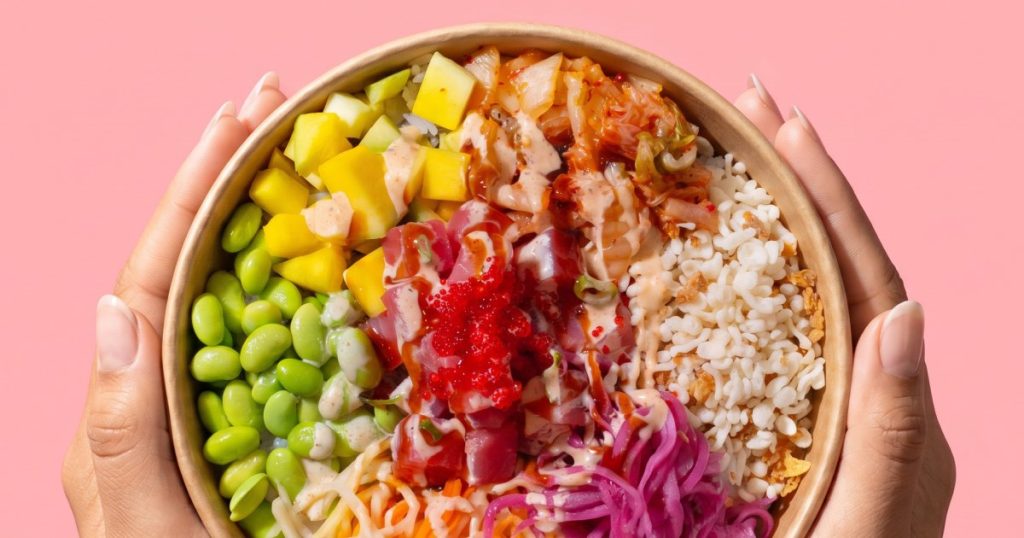
Tobiko comes from flying fish, a species found in warm ocean waters across the Pacific and Atlantic. The roe is harvested, lightly seasoned, and often naturally colored depending on the variety. The classic tobiko you see on poke bowls is that recognizable bright orange, but it can also appear in other colors depending on what it has been infused with.
It has been a fixture in Japanese cuisine for decades, most commonly seen on sushi rolls and sashimi platters. As Hawaiian poke grew into a global food phenomenon, tobiko traveled with it, becoming one of the signature toppings that gives a well-built poke bowl its personality.
What Does Tobiko Taste Like
This is the question most people have before they try it for the first time, and the answer is genuinely reassuring if you are a little nervous about fish roe.
Tobiko has a mild, slightly salty flavor with a subtle sweetness and a faint oceanic freshness that never feels overwhelming. It is not fishy in the way that puts people off. It is clean, light, and delicate in a way that enhances whatever it sits on top of rather than overpowering it.
But the flavor is actually only half the experience. The texture is what makes tobiko truly special. Each tiny pearl has a satisfying little pop when you bite into it, releasing that mild burst of flavor in a way that adds a whole new sensory dimension to your bowl. It is the kind of thing that is hard to describe until you have tried it, and once you have, you will actively look for it on every menu.
Why Tobiko Makes Every Bowl Better
Great poke bowl ingredients are not just about taste in isolation. They are about what they bring to the whole bowl, how they interact with the other flavors and textures around them, and what they add to the overall experience of eating.
Tobiko does all of this exceptionally well. Its mild saltiness complements rich, creamy sauces like spicy mayo. Its pop and crunch contrasts beautifully with soft fish and smooth avocado. Its bright color makes every bowl look vibrant and fresh. And its subtle oceanic flavor ties the whole Hawaiian-style poke experience together in a way that feels completely natural and intentional.
It is a small ingredient with a big personality and poke bowls that include it are almost always better for it.
Tobiko at Olu Olu Poke: Where to Find It on the Menu
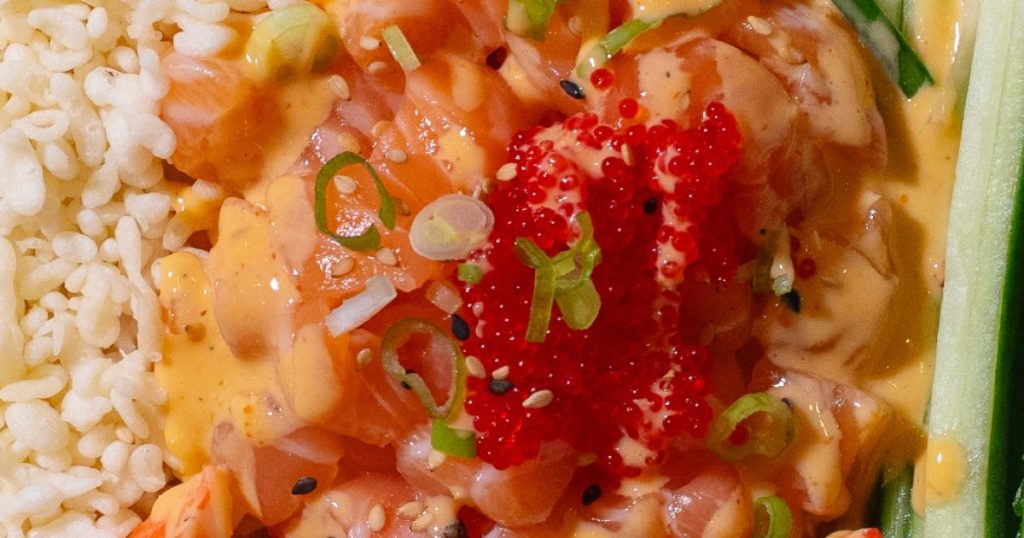
At Olu Olu Poke, widely regarded as one of the best poke restaurants in Montreal, tobiko is used with the same care and intention that goes into every other ingredient on the menu. You will not find it thrown on top of a bowl just for show. It is there because it belongs, because it elevates the dish, and because the people building these bowls genuinely understand what each ingredient is supposed to do.
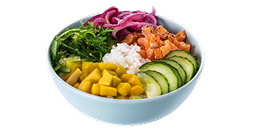
The Mamba is where most Olu Olu regulars first fall in love with tobiko. Salmon, crab sticks, tobiko, spicy mayo, cucumber, pickled green papaya, crispy tempura, and green onion all come together in a bowl that is bold, textured, and deeply satisfying. The tobiko in the Mamba sits on top of all that richness and adds exactly the right amount of pop and brightness to keep every bite interesting. It is one of the best poke bowls in Montreal for a reason and tobiko is a big part of why.
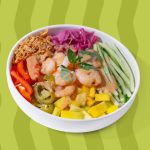
The Chicken Katsu Bowl and the Shrimp Tempura Bowl also feature tobiko, pairing it with katsu mayo and pineapple in a combination that balances sweet, savory, and that distinctive tobiko pop in a way that works beautifully. If you are someone who prefers a non-fish protein but still wants the full tobiko in poke bowls experience, these are the bowls for you.
What makes Olu Olu’s use of tobiko stand out is the freshness that surrounds it. Every ingredient in these bowls is sourced with quality in mind and prepared fresh daily. When tobiko sits alongside sushi-grade fish and house-made sauces that were prepared that morning, it gets to do its best work. That is the difference between tobiko as a garnish and tobiko as an ingredient that genuinely matters.
Conclusion
Tobiko is one of those ingredients that seems like a small detail until you eat a bowl without it and realize something is missing. It adds texture, flavor, color, and a little moment of joy to every bite it is part of. In Hawaiian-style poke, it is not an afterthought. It is part of what makes the whole experience feel complete.
If you have been curious about tobiko and have not tried it yet, Olu Olu Poke is the place to start. Visit any of the three Montreal locations or order online and bring one of the best poke bowls in Montreal straight to your door.
Frequently Asked Questions
Q1. What is tobiko in poke bowls?
Tobiko is flying fish roe, the eggs of flying fish, used as a topping in Japanese and Hawaiian-style poke bowls. It is known for its bright orange color, mild and slightly salty flavor, and the satisfying little pop it makes when you bite into it. It is one of the most distinctive poke bowl toppings and a staple ingredient in well-built poke bowls.
Q2. What does tobiko taste like?
Tobiko has a mild, slightly salty, and subtly sweet flavor with a clean oceanic freshness. It is not overpowering or strongly fishy. The flavor is delicate and enhances the other ingredients in the bowl rather than competing with them. The texture, a satisfying little pop with each pearl, is just as much a part of the experience as the taste itself.
Q3. Is tobiko healthy?
Tobiko is a natural, minimally processed ingredient that is low in calories and contains protein, omega-3 fatty acids, and various vitamins and minerals. As part of a balanced poke bowl alongside fresh fish, vegetables, and whole grains, it contributes to a nutritious and satisfying meal.
Q4. Which Olu Olu bowls contain tobiko?
Tobiko appears in several Olu Olu bowls including the Mamba, the Chicken Katsu Bowl, and the Shrimp Tempura Bowl. The Mamba is the most popular tobiko bowl on the menu and is consistently considered one of the best poke bowls in Montreal by Olu Olu regulars.
Q5. Where can I try tobiko poke bowls in Montreal?
Olu Olu Poke is one of the best poke restaurants in Montreal for experiencing tobiko done right. With three locations across the city in NDG on Queen Mary Road, The Village on Sainte-Catherine Est, and downtown on Sherbrooke Ouest, there is always an Olu Olu close by. You can also order online through GoSnappy for delivery straight to your door.