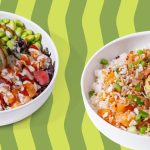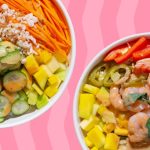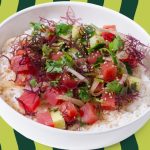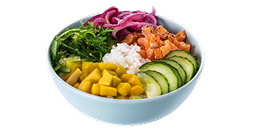



In the world of poke, most people focus on the freshness of the fish or the heat of the sauce. However, if you speak to a professional chef, they will tell you that the true architecture of a bowl is built on the aromatics. Among these, none is more important than the onion.
Onions are the flavor bridge that connects the oceanic saltiness of the fish to the earthy base of rice or greens. However, the choice between crispy onions vs pickled onions, or the traditional raw sweet onions, can completely transform your dining experience.
To help you master your next order at the best poke restaurant in Montreal, we are diving deep into the science, tradition, and textures of onions in poké bowls.
The Hawaiian Tradition: The Maui Sweet Onion
To understand the importance of onions for poke, we have to look back at the dish’s roots in the Hawaiian islands. Traditional Ahi Poké was never served without a very specific type of onion: the Maui Sweet Onion.
Unlike the common yellow or white onions found in most kitchens, sweet onions have a much higher water content and lower sulfur levels. This means they provide a crisp, juicy texture without the aggressive bite or stinging aftertaste that causes onion breath.
To achieve the perfect bowl, high-end poké restaurants often utilize a technique known as the ice water bath. By slicing sweet onions paper-thin and submerging them in ice-cold water for at least 20 minutes, chefs can leach out the remaining sulfurous compounds. This shocks the cell walls of the onion, making them exceptionally crunchy and mild. It is the professional secret to getting that fresh, peppery snap without overpowering the delicate sashimi-grade tuna.
The Modern Classic: Pickled Red Onions
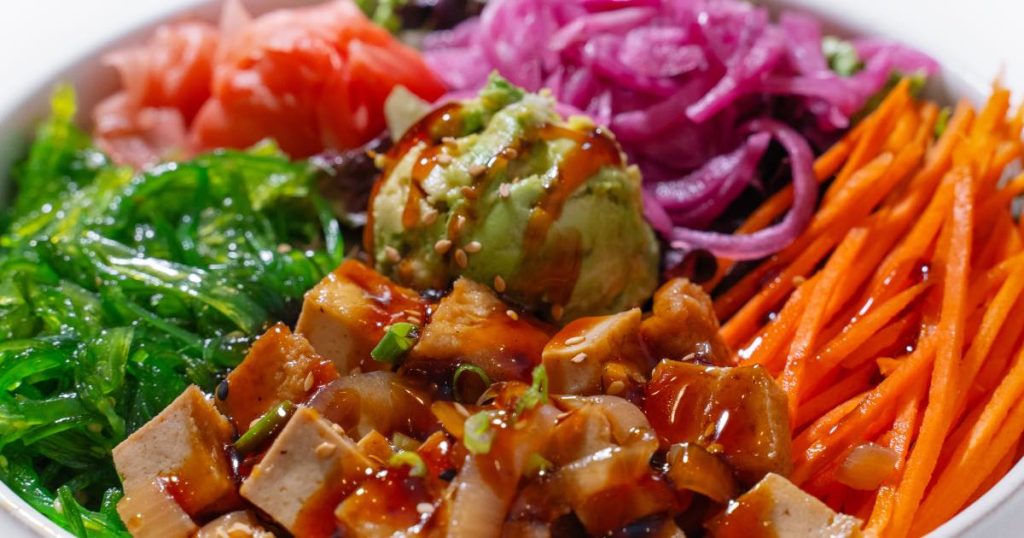
As the poke trend moved from Hawaii to the mainland, pickled red onions became one of the most sought-after poke bowl toppings. This isn’t just because they look beautiful; it’s because of the culinary principle of acidic balance.
When you are eating a bowl rich in healthy fats, like our premium salmon or a scoop of creamy avocado, your palate can eventually become fatigued. The fat coats your tongue, making subsequent bites taste less vibrant. Pickled red onions, marinated in a sharp rice vinegar and sugar brine, cut through that fat like a knife. They act as a palate cleanser, resetting your taste buds with a bright, tangy pop.
The Comfort Choice: Crispy Fried Onions
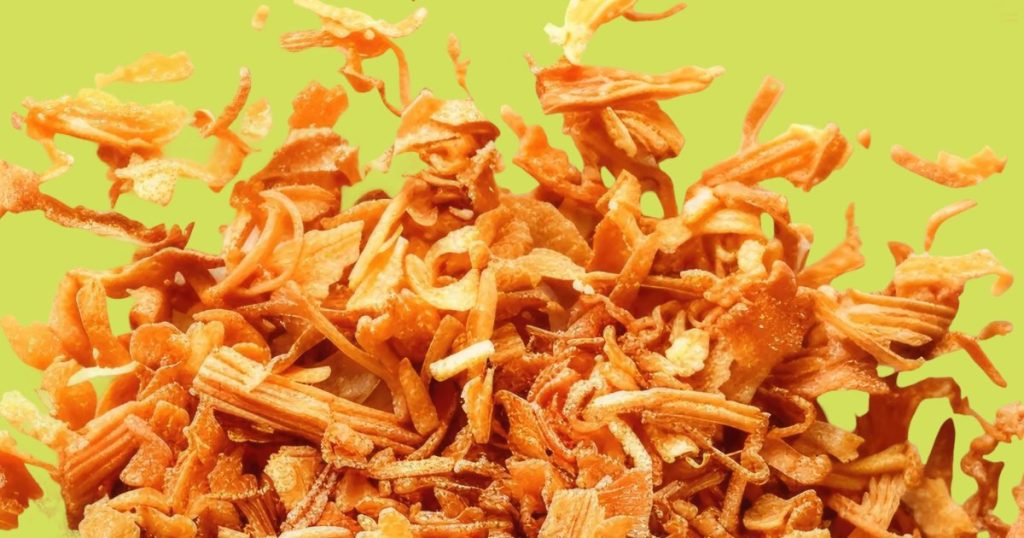
On the opposite end of the spectrum lies the comfort choice. For those who believe texture is the most important part of a meal, the debate of crispy onions vs pickled onions usually ends with the fried variety.
Fried onions and shallots provide what chefs call concentrated umami. Through the frying process, the natural sugars in the onion caramelize, creating a savory, nutty, and slightly sweet flavor profile. This adds a weight and decadence to the bowl, mimicking the satisfying crunch of a tempura-topped sushi roll. Because they are savory and dry, they pair exceptionally well with earthy bases like brown rice or deep, salty sauces like Unagi glaze or classic Shoyu.
The Daily Essential: Green Onions
While other onions are often optional, the scallion is the heartbeat of the marinade. Scallions provide a mild, herbal freshness that is distinct from the bulb onions mentioned above.
In a well-constructed bowl, scallions are used to add top notes to the fish. Because they are hollow and light, they distribute easily throughout the ingredients, ensuring that every single forkful carries a hint of peppery brightness. They are considered the essential green element that helps a poké bowl feel like a fresh, life-giving meal rather than just another fast-food option.
The Decision: Which Onion Should You Choose?
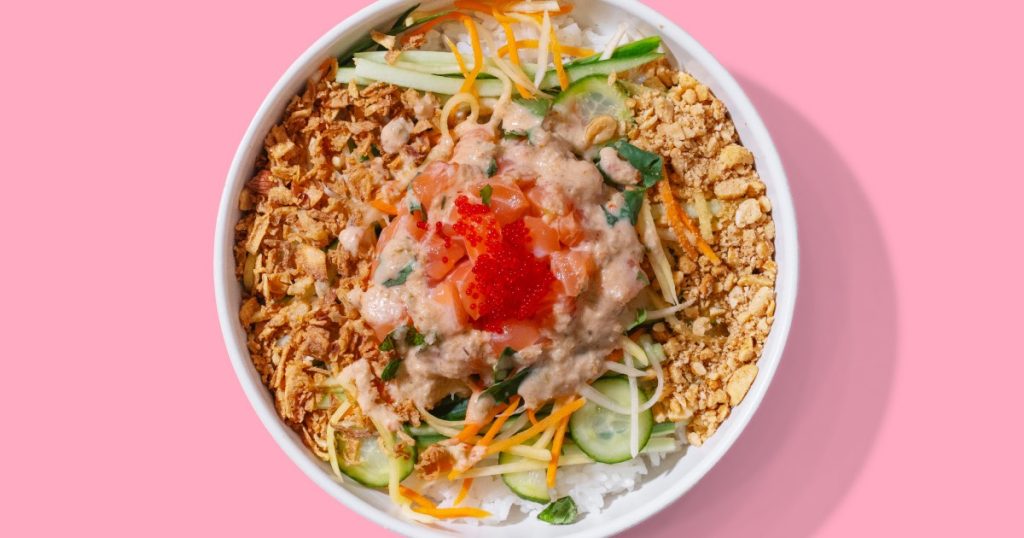
Still struggling to decide on the best onions for poke for your next build? Use this chef-approved guide based on your protein choice:
- For Ahi Tuna: Go with raw sweet onions. The clean flavor of the tuna shouldn’t be masked; it should be highlighted by the mild, watery crunch of a traditional sweet onion.
- For Salmon or Spicy Tuna: Go with pickled red onions. These proteins are rich and oily. The acidity of the pickle will keep the flavors sharp and prevent the bowl from feeling too heavy.
- For Tofu or Cooked Chicken: Go with crispy fried onions. Plant-based proteins or cooked meats benefit from the added savory depth and fried texture that crispy shallots provide.
- For the Pro Move: Combine scallions (for freshness) with crispy onions (for texture) and pickled onions (for acid). This triple onion approach creates a complex, restaurant-quality flavor profile.
Conclusion
The beauty of a poke bowl in Montreal is that it is a canvas for your own personal taste. Whether you crave the traditional Hawaiian snap of a sweet onion or the modern, tangy pop of a pickled red onion, each choice adds a new layer of depth to your meal.
Stop settling for average. If you’re looking for one of the best poke restaurants in Montreal to put these flavors to the test, come visit Olu Olu Poké. We obsess over the details so you don’t have to. Come discover why our balance of crunch, tang, and premium fish makes us the city’s top destination for the ultimate bowl.
FAQ
1. What is the difference between crispy onions and pickled onions in a poke bowl?
Crispy onions are fried to provide a savory, crunchy texture and rich umami flavor. Pickled onions are marinated in vinegar and sugar, offering a bright, acidic “pop” that cuts through the richness of fish like salmon.
2. Are onions traditionally included in Hawaiian poke?
Yes. Traditional Hawaiian poke almost always includes Maui sweet onions and green onions (scallions) mixed directly into the marinade with the fish and sea salt.
3. How do I avoid “onion breath” after eating raw onions in my bowl?
Look for restaurants that use sweet onions (like Vidalia or Maui) and soak them in an ice water bath before serving. This removes the harsh sulfur compounds while keeping the crunch.
4. Can I combine multiple types of onions in one bowl?
Absolutely. Many “pro” builds use scallions for fresh herbal notes, pickled onions for acidity, and crispy shallots for a crunch at the end.
5. What is the best onion for a spicy tuna poke bowl
Pickled red onions are highly recommended for spicy bowls, as the acidity helps balance the heat of the spicy mayo and the richness of the tuna.