



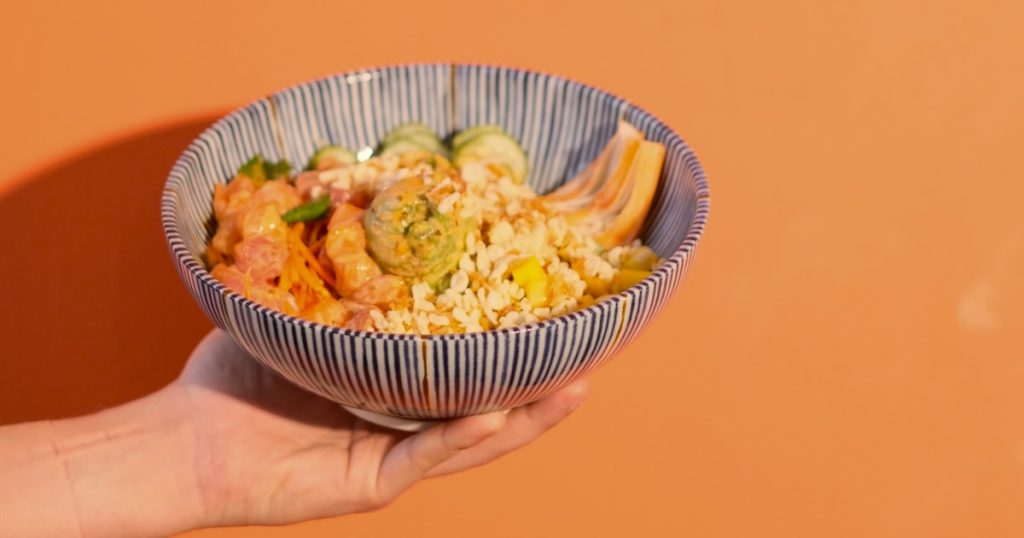
In a world increasingly driven by speed and wellness, a vibrant, colorful dish has exploded onto the fast-casual scene, redefining what we consider lunch.
It’s fresh, it’s customizable, and it’s everywhere. But what exactly is it, and why is it dethroning the burrito and the sandwich?
We dive into the poké bowl’s meaning, its classification, and why this fast casual Hawaiian food is here to stay.
What kind of food is poké?
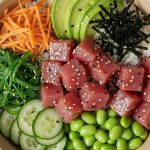
At its simplest, to understand what is poké food, we must look to its origin. Traditional Hawaiian poké consisted of raw, cubed fish, often tuna, seasoned simply with sea salt, limu (seaweed), and crushed kukui nuts. It was historically enjoyed as a convenient oceanside snack or side dish.
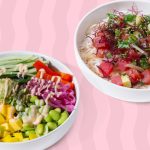
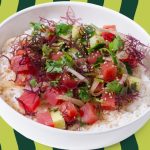
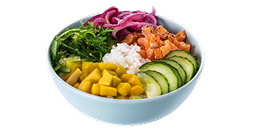
The modern version, however, is an adaptation built for global consumption. It’s no longer just a fish side; it’s a fully customized, layered meal. You start with a base, add your diced protein, load up on vegetables, and finish it with a creamy or savory sauce. This modern evolution has successfully packaged the fresh, vibrant flavors of the islands into a format perfect for urban lunch rushes.
Why Poké is the New Best Fast Food
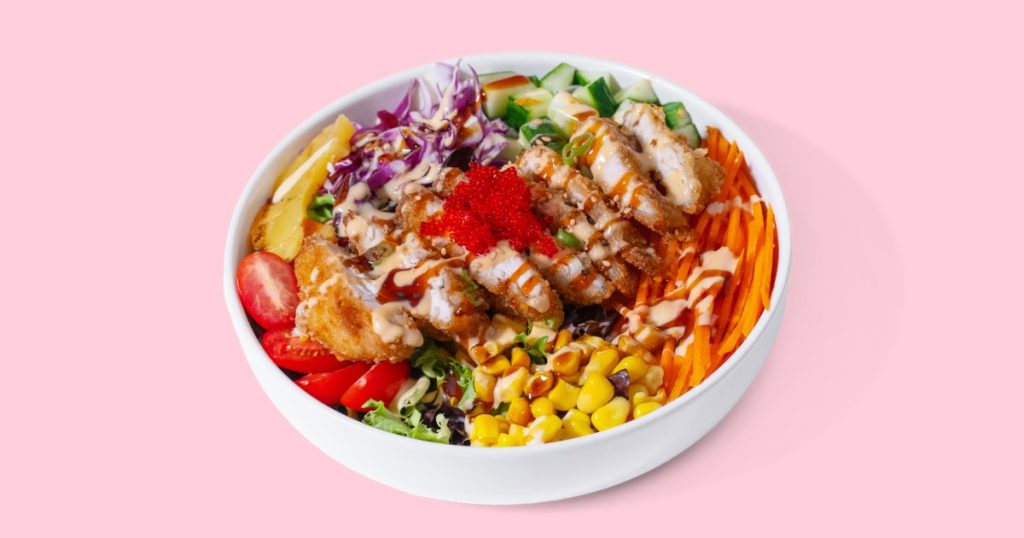
The success of poké lies in its perfect alignment with modern dining demands. It provides the holy trinity of fast-casual dining: speed, health, and flavor variety.
- Speed and Efficiency: Like a modern salad bar, poké relies entirely on an assembly-line model. Since the proteins (like raw tuna or salmon) do not require cooking on demand, the bowls can be built and served in under three minutes, making it incredibly competitive with the speed of traditional fast food.
- The Health Halo: This is poké’s greatest advantage. Compared to calorie-dense, fried options, poké emphasizes fresh ingredients. It’s inherently a high-protein, low-fat meal that allows customers to control their own macros. It is the definitive healthy alternative for people seeking to eat clean on the go.
- Flavor Customization: The vast array of available sauces, crunch elements, and toppings (from kimchi to edamame to masago) means a customer can create a new meal every day, preventing flavor fatigue, a critical factor in successful fast-casual models.
Is Poké Considered a Salad or a Bowl Meal? What’s the difference?
This is where the meaning of dining becomes important. While some might describe the dish as a “fish salad” due to the raw ingredients and light dressings, this classification is misleading.
- Salad: A salad is primarily composed of leafy greens and vegetables, with any protein or dressing acting as an accompaniment.
- Bowl Meal (Entrée): A bowl meal, or entrée, is built around a substantial, calorically dense base designed to be the main course. Think burrito bowls or stir-fry bowls.
Poké bowls fall squarely into the bowl meal category. The inclusion of a large, mandatory base, whether it’s white rice, brown rice, or quinoa, provides the necessary complex carbohydrates and bulk to make it a primary meal, not just a light side dish.
The base is the defining element that elevates the sliced fish and toppings from a salad to a fulfilling entrée.
Can Poké Bowls Be a Main Meal or Is It Just a Fast Snack?
Absolutely, poké bowls are designed to be a main meal. Their structure is inherently nutritionally sound for a complete lunch or dinner.
A typical bowl contains a balanced ratio of:
- Complex Carbohydrates: From the rice or quinoa base, providing sustained energy.
- High-Quality Protein: From the fish or tofu, essential for muscle and satiety.
- Micronutrients and Fiber: From the extensive range of fresh vegetables and seaweed.
The portion sizes served at most eateries are generous and constructed to be satisfying. While you can order a smaller, simpler version as a snack, the standard build of the poke bowl is intended to be the centerpiece of a healthy, complete diet.
Where to Try the Best Poké in Montreal
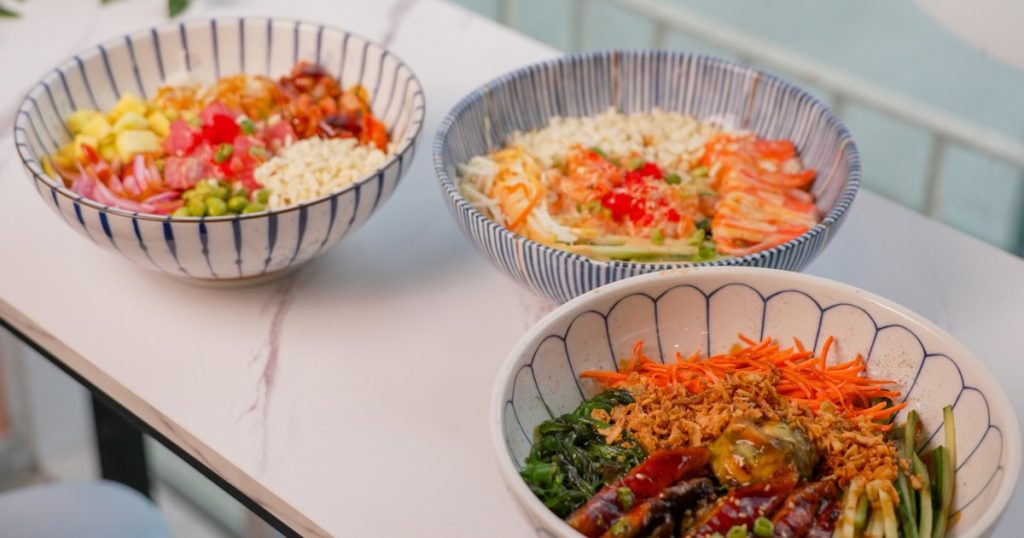
If you’re looking for the best poke restaurant in Montreal that truly showcases the customizable variety of this cuisine, you should head to Olu Olu Poké.
Olu Olu is consistently celebrated for its extensive menu options that go beyond the basic tuna-and-rice formula. We offer a deep bench of bases, multiple premium protein choices, and an impressive array of unique sauces and specialty toppings. This commitment to variety ensures that whether you are a purist looking for traditional flavors or someone who wants a bold, custom creation, Olu Olu delivers the ultimate fast casual Hawaiian food experience in the city.
Conclusion
So there you have it, poké is far more than a trend; it’s a smart solution for the modern diet. It masterfully combines speed, health, and complete nutrition into one appealing bowl.
To experience the fresh, customizable revolution yourself, visit Olu Olu, the best poke restaurant in Montreal, today!
FAQ
1. Is Poké a healthy option for lunch or dinner?
Absolutely! Poké bowls are inherently healthy, featuring lean protein (fish or tofu), fresh vegetables, and fiber-rich base options like brown rice or quinoa, making them a balanced meal.
2. What is the main difference between Poké and sushi?
While both use raw, seasoned fish, sushi is typically served wrapped in rice and seaweed, often in rolls. Poké is served as a bowl with cubed fish tossed with sauces and toppings over a base.
3. Are Poké bowls suitable for specific dietary needs, like vegan or gluten-free diets?
Yes! Because poké bowls are highly customizable, it’s easy to build a meal that is entirely vegan, gluten-free, or compliant with other dietary restrictions using various bases, vegetables, and tofu or chicken options.
4. Is the fish used in Poké raw?
Traditional Poké uses cubes of raw, sashimi-grade fish (like tuna or salmon). However, most restaurants also offer cooked protein options like chicken, shrimp, or marinated tofu to cater to all preferences.
5. What are the essential components of a classic Hawaiian-style Poké bowl?
A classic bowl typically consists of four main elements: a base (like rice), cubed, marinated protein (usually tuna or salmon), seasonings (like soy sauce, sesame oil, and onion), and fresh toppings (such as avocado, seaweed salad, or crispy onions).