



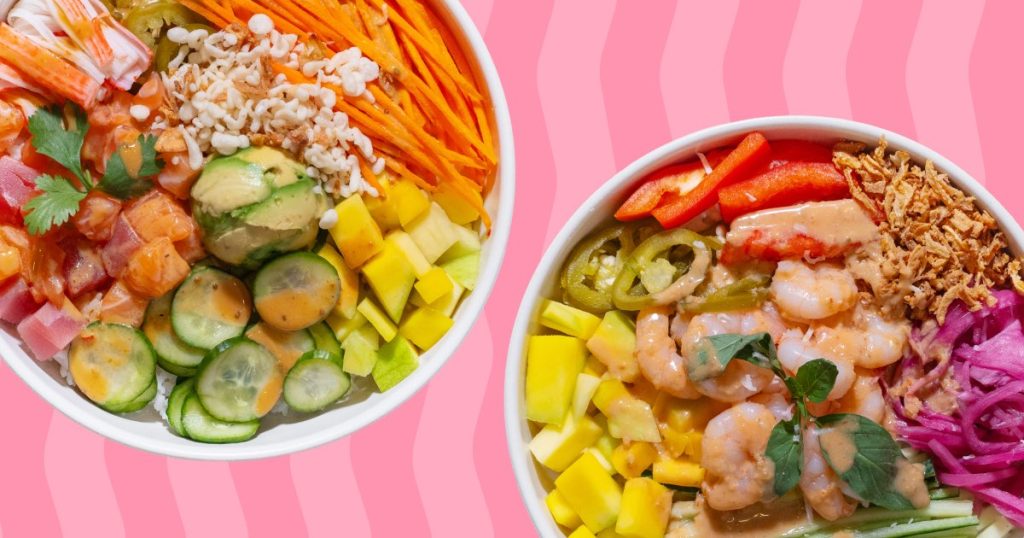
If you’ve stepped into a poke restaurant in Montreal recently, you’ve likely noticed a vibrant shift behind the counter. The days of simple, salty soy dressings are making way for a color-coded explosion of flavor. We are currently witnessing a global shift toward the sweet and sour poké bowl, a trend that trades heavy, one-dimensional salts for a complex dance of tropical sugars and bright, fermented acids.
But why is this happening now? And why has the sweet and sour profile become the hallmark of poke restaurants?
Let’s dive into the tropical fusion that is redefining our lunch hour.
The Curiosity of a New Generation
The rise of trending poké bowl flavors is largely driven by the culinary curiosity of Gen Z and Millennials. Unlike previous generations that often kept fruit and meat in separate categories, today’s diners crave high-contrast experiences.
Modern foodies are looking for complex refreshment. They want a bowl that hits every taste bud at once: the salt of the sea, the heat of a chili, the tang of a lime, and the cooling sweetness of a ripe mango. This flavor maximalism is exactly why Hawaiian poké flavor trends are returning to their tropical roots.
The Sweet Flavors: Mango and Pineapple
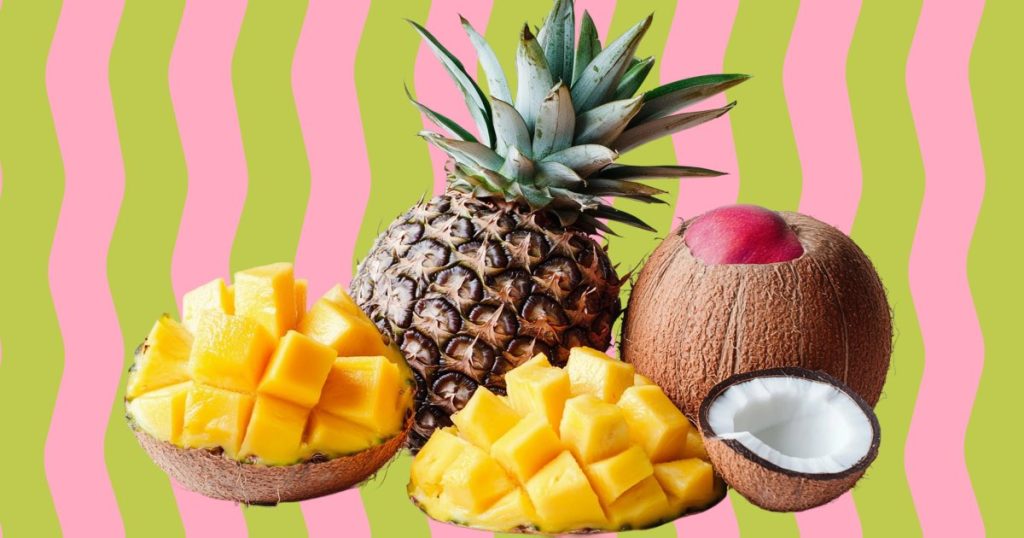
When we talk about the sweet and sour poké bowl, two fruits reign supreme: mango and pineapple.
- The Mango Factor: Mango is the ultimate culinary bridge. Its buttery texture mimics the mouthfeel of premium raw fish, while its natural acidity cuts through the richness of salmon. It provides a soft sweetness that rounds out the sharp edges of a spicy marinade.
- The Pineapple Punch: Pineapple brings the sour to the sweet. It contains natural enzymes that interact with the palate to make savory flavors pop. When paired with a citrusy dressing, pineapple provides a sharp, electric brightness that makes the entire bowl feel incredibly light and energizing.
The Toasted Secret: Coconut Flakes
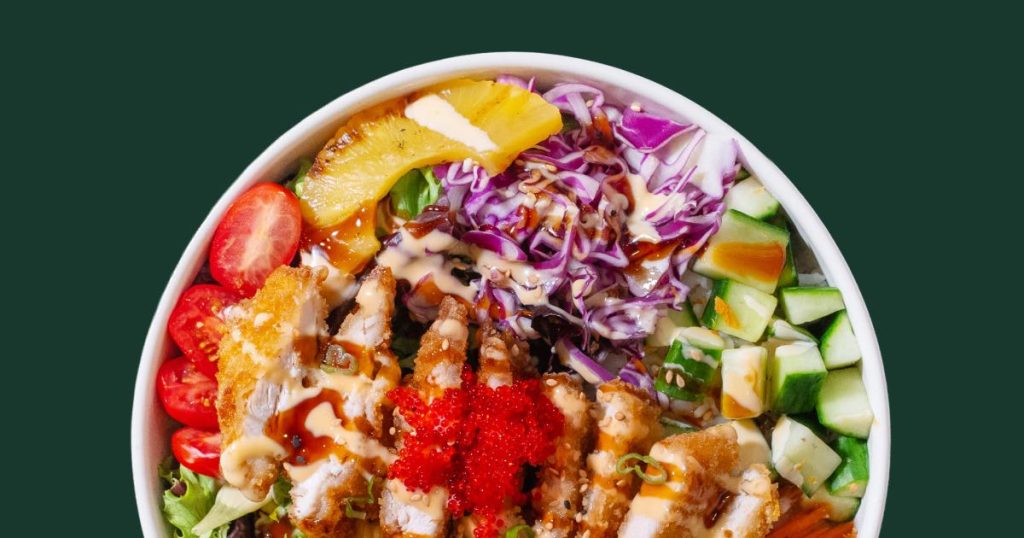
One of the most exciting trending poké bowl flavors isn’t a fruit at all; it’s coconut flakes.
While mango and pineapple provide the moisture and sugars, toasted coconut flakes provide a nutty, aromatic sweetness. In the world of poké bowl sauce combinations, coconut acts as a neutralizer. If your bowl has a lot of sour elements (like pickled ginger or lime-heavy ponzu), the fatty sweetness of coconut flakes creates a smooth, tropical finish that ties the disparate flavors together. Plus, it adds a satisfying, low-calorie “crunch” that replaces the need for heavy fried toppings.
The true magic happens when you mix coconut flakes with fresh mango. This duo creates a flavor bridge where the lush, buttery sweetness of the mango is perfectly balanced by the toasted, fatty depth of the coconut. It creates a complex tropical profile that hits both soft and crunchy textures in every bite.
Example from the Olu Olu Menu: The Shrimpo Hunter. You can see this trend in action with the Shrimpo Hunter bowl. This signature dish masterfully combines succulent shrimp with bright mango chunks and a generous topping of toasted coconut. It’s the ultimate example of how these tropical elements work together to turn a savory bowl into a refreshing, high-vibrancy experience.
Conclusion
The sweet and sour trend isn’t just a fad; it’s a return to the authentic Hawaiian philosophy of refreshing cuisine. By balancing the tropical sugars of mango and pineapple with the nutty aroma of coconut, you aren’t just eating a meal, you’re taking a five-minute vacation.
Ready to build your own tropical masterpiece? As one of the best poke restaurants in Montreal, Olu Olu Poké is your destination for the freshest fruit, the most artisanal sauces, and the perfect sweet-and-sour balance. Come discover why our tropical-infused bowls are the talk of the city!
FAQ
1. Does adding fruit like mango make a poke bowl unhealthy?
Not at all! Fruits like mango and pineapple provide natural sugars along with essential vitamins and fiber. They offer a healthier way to sweeten your bowl compared to processed sugary sauces.
2. What is the best protein to pair with sweet and sour toppings?
While salmon and tuna are classics, shrimp is an exceptional choice for sweet and sour profiles. Its mild flavor and firm texture perfectly complement the brightness of mango and the crunch of coconut.
3. Why are coconut flakes used in poke bowls?
Coconut flakes provide a nutty aroma and a distinct crunch. Beyond texture, they act as a flavor neutralizer, helping to balance very acidic ingredients like lime or vinegar-based pickles.
4. Is the “sweet and sour” trend traditional?
In a way, yes! Traditional Hawaiian poke often emphasizes balance. Using fresh, local tropical fruits is a modern evolution of the Hawaiian philosophy of using fresh, refreshing ingredients found in the islands.
5. Which sauce works best for a tropical-themed bowl?
A citrus-based sauce like Ponzu is perfect. It provides the “sour” element that prevents the sweet fruit toppings from becoming too sugary, resulting in a perfectly balanced bite.