




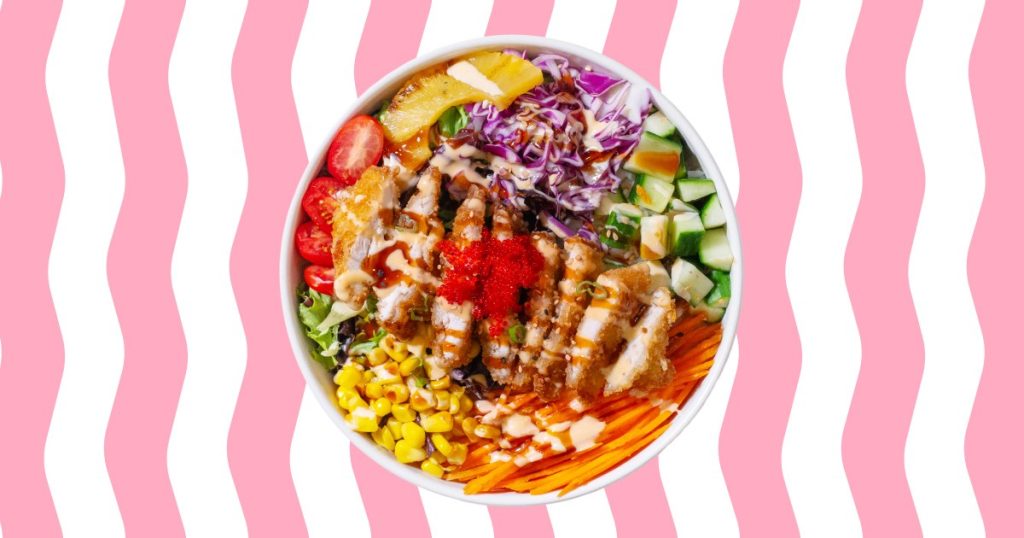
If you have walked through the streets of any major city recently, you have likely seen people carrying vibrant, colorful bowls filled with fresh fish, bright vegetables, and aromatic rice. These are poké bowls, and they have taken the culinary world by storm.
While they might look like a modern social media trend, they are actually rooted in a deep cultural history that spans centuries.
This guide is designed to take you through everything you need to know about this dish, from its humble beginnings in the Pacific to how you can customize your own perfect meal today.
What Is a Poké Bowl?
To understand the dish, you first have to understand the name. The word poké is a Hawaiian verb that means to slice or to cut crosswise into pieces. It refers specifically to the way the protein, usually raw fish, is prepared. In its simplest form, a poké bowl is a dish consisting of diced raw fish that has been marinated and served over a base of rice, noodles, or greens, topped with various garnishes.
It is important to note that poké is not just a salad, and it is not just a bowl of sushi. It is a unique category of food that focuses on the freshness of the sea and the balance of salty, sweet, and savory flavors. For a first-timer, it is best to think of it as a customizable, deconstructed sushi experience that is served in a more casual and hearty format.
The Deep Roots: A Brief History of Poké
The history of poke begins long before it ever appeared on a restaurant menu. Centuries ago, native Hawaiian fishermen would take the offcuts from their daily catch, such as the trimmings from reef fish or tuna, and season them with whatever they had on hand. In those early days, the seasonings were very simple: sea salt, crushed kukui nuts, and local seaweed called limu.
As Hawaii became a crossroads of the Pacific, new flavors began to influence the dish. In the late 1800s and early 1900s, immigrants from Japan and China arrived in Hawaii, bringing with them soy sauce, sesame oil, and various spices. This cultural exchange transformed the simple seasoned fish into the modern version we see today. The introduction of these Asian staples created the signature umami flavor that has made poké a global sensation.
Poké vs. Sushi: What Is the Difference?
Because poke and sushi both involve raw fish and rice, many people confuse the two. However, they are quite different in terms of preparation and philosophy.
Sushi is an art form that focuses on precision. Each piece is carefully crafted by a chef, with the vinegared rice being the star of the show. In sushi, the ratio of fish to rice is very specific, and the seasonings are usually subtle.
A poké bowl, on the other hand, is a much more casual and customizable meal. The fish is diced into large, bite-sized cubes rather than sliced thin. While sushi rice is seasoned with vinegar, sugar, and salt, the rice in a poké bowl is often more neutral to allow the bold house-made sauces to shine.
Furthermore, a poké bowl allows for a much wider variety of toppings, from tropical fruits like mango to crunchy elements like fried onions, which you rarely find in traditional sushi.
Why Poké Is Considered Healthy
One of the reasons this dish has become so popular is its reputation as a healthy fast-casual option. When you break down the poke bowl ingredients guide, it is easy to see why.
First, the protein. Fresh fish like salmon and tuna are excellent sources of lean protein and heart-healthy Omega-3 fatty acids. These fats are essential for brain health and reducing inflammation. Second, the base. While white rice is traditional, many shops offer brown rice, quinoa, or mixed greens, which provide a great source of fiber and complex carbohydrates.
The dish is also packed with micronutrients. Toppings like edamame, seaweed, radish, and ginger add vitamins and minerals without adding excessive calories. Because the food is served fresh and is generally not deep-fried or heavily processed, it provides a high level of satiety without the heavy, sluggish feeling that often follows a fast-food meal.
Why Poké Is Trending Right Now
In 2026, the demand for transparent and customizable food is higher than ever. Poké fits perfectly into this modern lifestyle. One major reason for the trend is the visual appeal. The vibrant colors of the fish, vegetables, and sauces make these bowls incredibly photogenic, which has helped them spread across social media platforms.
Beyond the aesthetics, people appreciate the speed. In a busy city, being able to get a nutrient-dense, high-quality meal in under five minutes is a massive advantage. Finally, the move toward personalized nutrition has made the build-a-bowl concept a staple. Diners want to know exactly what is in their food, and the open-counter style of a poké shop allows for total transparency.
Can You Eat Poké Without Raw Fish?
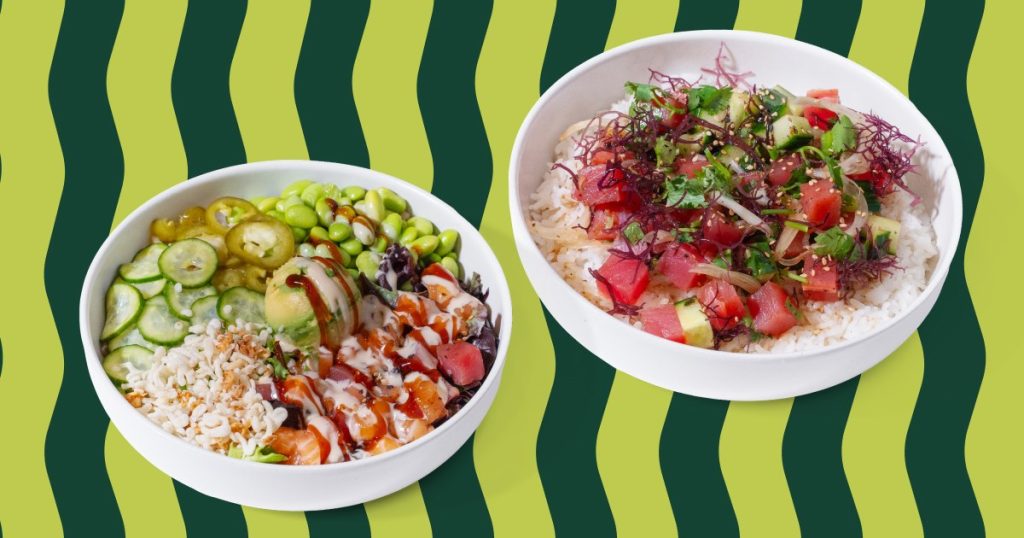
This is a common concern for first-timers who might not be comfortable with the idea of raw seafood. The good news is that modern poké has evolved to be inclusive of all preferences. Many restaurants now offer a variety of cooked proteins.
Common cooked seafood options include cooked shrimp, grilled eel, or octopus. For those who want to avoid seafood entirely, chicken katsu is often available. These options allow you to enjoy the same fresh toppings and delicious sauces without having to eat raw fish. The experience remains just as flavorful and satisfying.
Can Vegetarians and Vegans Eat Poké?
Absolutely. Vegetarian and vegan bowls have become some of the most creative offerings on the menu. The primary plant-based protein used is tofu, which is often marinated in soy-based sauces to soak up flavor.
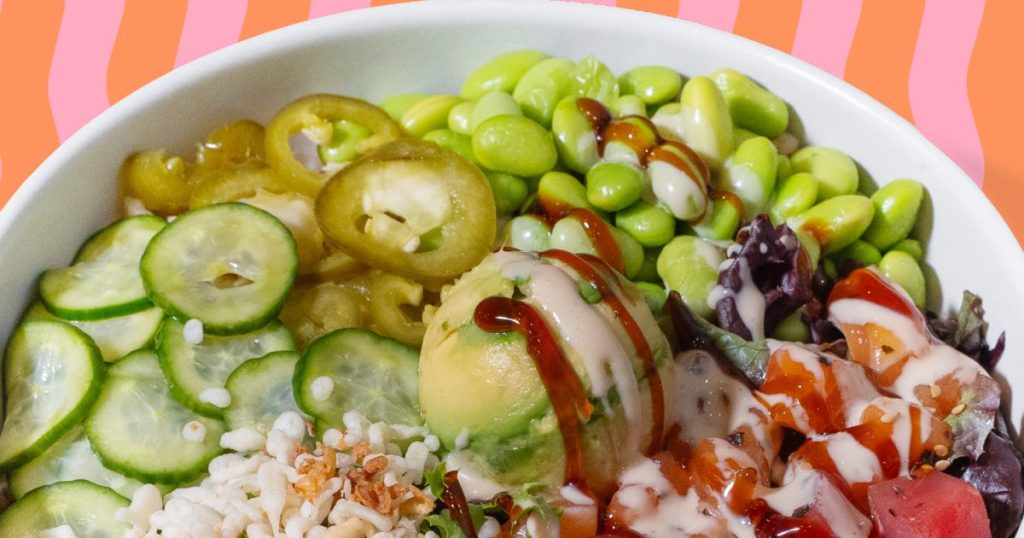
A vegetarian bowl usually focuses on a wider variety of vegetable toppings to create a complex flavor profile. Ingredients like avocado, sweet potato, edamame, and pickled radish provide a mix of creamy and crunchy textures. When combined with a vegan-friendly sauce like a ginger-lime vinaigrette or a spicy vegan mayo, the result is a meal that is just as filling as a fish-based bowl.
Common Poké Sauces: The Flavor Foundation
The sauce is what brings all the ingredients together. In a Hawaiian poke bowl, you would typically find a simple dressing of soy sauce and sesame oil. However, modern versions offer a wide spectrum of flavors.
- Shoyu: A classic soy sauce base that is salty and savory.
- Spicy Mayo: A creamy, spicy blend that is a fan favorite.
- Ponzu: A citrus-based soy sauce that adds a bright, tangy note.
- Wasabi Aioli: For those who want a sharp, pungent kick.
- Unagi Sauce: A thick, sweet glaze that is traditionally used with eel.
The key to a great bowl is finding a sauce that complements your protein. For example, a fatty fish like salmon goes very well with a spicy or acidic sauce, while a lean fish like tuna shines with a classic shoyu.
Common Poké Toppings: Adding the Crunch
A huge part of the poké experience is the variety of textures. A well-constructed bowl should have something soft, something crunchy, and something fresh.
Vegetable toppings like cucumber and radish provide a crisp freshness. Seaweed salad and ginger add a punch of umami and spice. For the crunch, many people choose fried onions, tempura flakes, or furikake, which is a Japanese seasoning made of dried fish, sesame seeds, and chopped seaweed. If you like a hint of sweetness, adding fresh mango or pineapple can create a beautiful contrast with the salty fish.
What Is Hawaiian-Style Poké?
While the bowls we see in cities today are often filled with dozens of toppings, traditional Hawaiian-style poké is much simpler. In Hawaii, the focus is almost entirely on the quality of the fish.
In a traditional setting, you might see the fish already marinated in a large bowl behind the counter. It usually contains just a few ingredients: the fish, some Maui onions, sea salt, inamona (roasted kukui nut), and limu seaweed. There are no fancy toppings like corn or kale. This style is for the purists who want to taste the ocean in its most natural form.
What If You Don’t Like Seafood at All?
Even if you are not a fan of anything that comes from the water, you can still participate in the poké experience. The bowl format is extremely versatile. You can build a bowl using chicken katsu, which is breaded and fried chicken, or even marinated tofu.
The beauty of the dish lies in the combination of the base, the fresh vegetables, and the house-made sauces. Even with a land-based protein, the meal remains light, fresh, and healthy. It is a great way to eat a large volume of vegetables in a way that tastes exciting rather than boring.
Is Poké Good for Weight Loss?
If your goal is weight management, poké can be one of the best tools in your diet. However, it depends entirely on how to build a poke bowl.
To keep the calories low, you can swap white rice for a base of zucchini noodles or mixed greens. You can also prioritize lean proteins like tuna or shrimp over fried options like chicken katsu. Being mindful of the sauces is also important; choosing a vinaigrette or a simple shoyu instead of a heavy mayo-based sauce can save hundreds of calories. Because the dish is so high in protein and fiber, it helps you stay full for a longer period, which prevents overeating later in the day.
Where to Try Poké for the First Time in Montreal
Montreal has a very competitive food scene, and the standard for poké is incredibly high. If you are looking for the best poke restaurant in Montreal to start your journey, you want to find a place that prioritizes two things: freshness and house-made sauces.
Olu Olu Poké has become a favorite for both first-timers and seasoned fans. What makes us stand out is the attention to detail. Every cut of fish is prepared with precision, and the sauces are made from scratch to ensure a unique flavor profile that you cannot find in a bottle. Whether you want to try a traditional tuna bowl or a more adventurous cooked option, the menu is designed to be approachable and delicious.
The atmosphere at Olu Olu also captures that Aloha spirit, making us a welcoming place for someone who might feel a bit overwhelmed by all the choices. The staff can guide you through the process of building your first bowl, ensuring that you get a combination of flavors that you will actually enjoy.
Conclusion
Starting something new can be intimidating, but the world of poké is one of the most rewarding culinary experiences you can have. It is a dish that honors tradition while embracing modern creativity. It is healthy, fast, and, most importantly, incredibly tasty.
Now that you have this complete guide, you are no longer a beginner. You understand the history, the ingredients, and the best way to customize your meal for your own dietary needs. The next step is to actually taste it.
Visit us at Olu Olu in Montreal and let us help you build your very first bowl. With our fresh ingredients and signature house-made sauces, we are confident that your first experience will be the start of a long-lasting love for this Hawaiian classic.
FAQ
1. Is poké the same as ceviche?
No. While both involve raw fish, ceviche uses citrus juice to cook the fish through acidity. Poké is typically marinated in a soy-based sauce and does not rely on acidity to change the texture of the fish.
2. Can kids eat poké?
Yes. Many kids love the cooked options like chicken katsu or shrimp. The ability to pick and choose exactly which vegetables go into the bowl makes it a very kid-friendly meal for picky eaters.
3. How long does a poké bowl last in the fridge?
If the bowl contains raw fish, it is best eaten immediately or within a few hours. If the bowl only contains cooked proteins or vegetables, it can last for up to 24 hours, though the rice may harden over time.
4. What is furikake?
Furikake is a dry Japanese seasoning that usually consists of toasted sesame seeds, nori seaweed, salt, and sugar. It adds a wonderful savory crunch to the top of any bowl.
5. Why is the fish in my bowl so cold?
To ensure safety and freshness, raw fish must be kept at a very low temperature until it is served. The contrast between the cold fish and the warm rice is one of the signature characteristics of a great bowl.